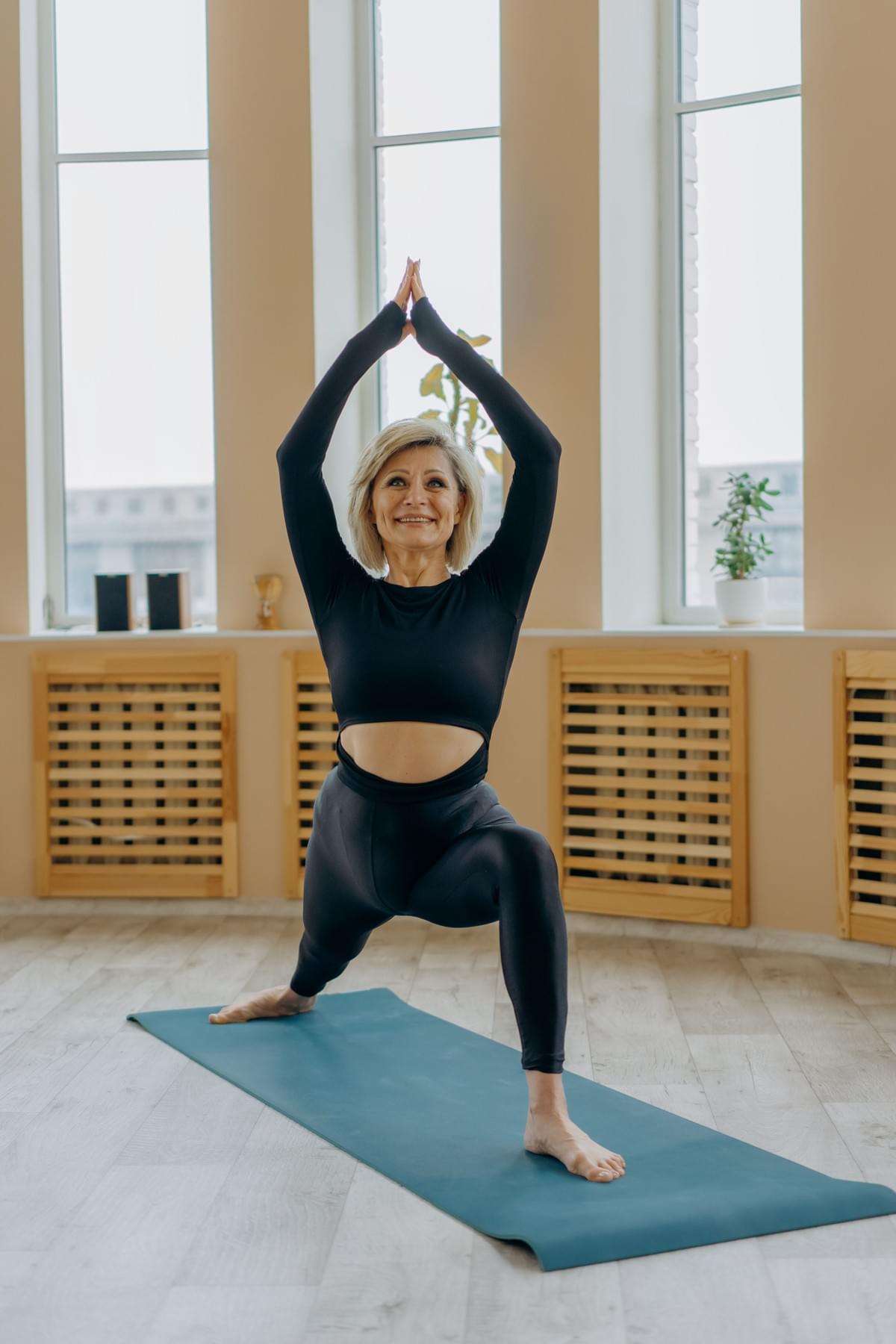
The global yoga apparel market size has exceeded USD 56.6 billion in 2026 and is projected to grow at a CAGR of 7.3%, reaching USD 92.8 billion by 2033 with an incremental market potential of over USD 57.9 billion. Today’s yoga apparel industry is no longer a simple track of “tight tops and leggings”, but a brand-new blue ocean featuring functional segmentation, full-scene coverage, diversified customization and boundary-free styling. This article comprehensively analyzes the classification and applicable scenarios of yoga apparel, customized production models, and the latest market trends, helping consumers make targeted purchases and industry practitioners grasp market opportunities.
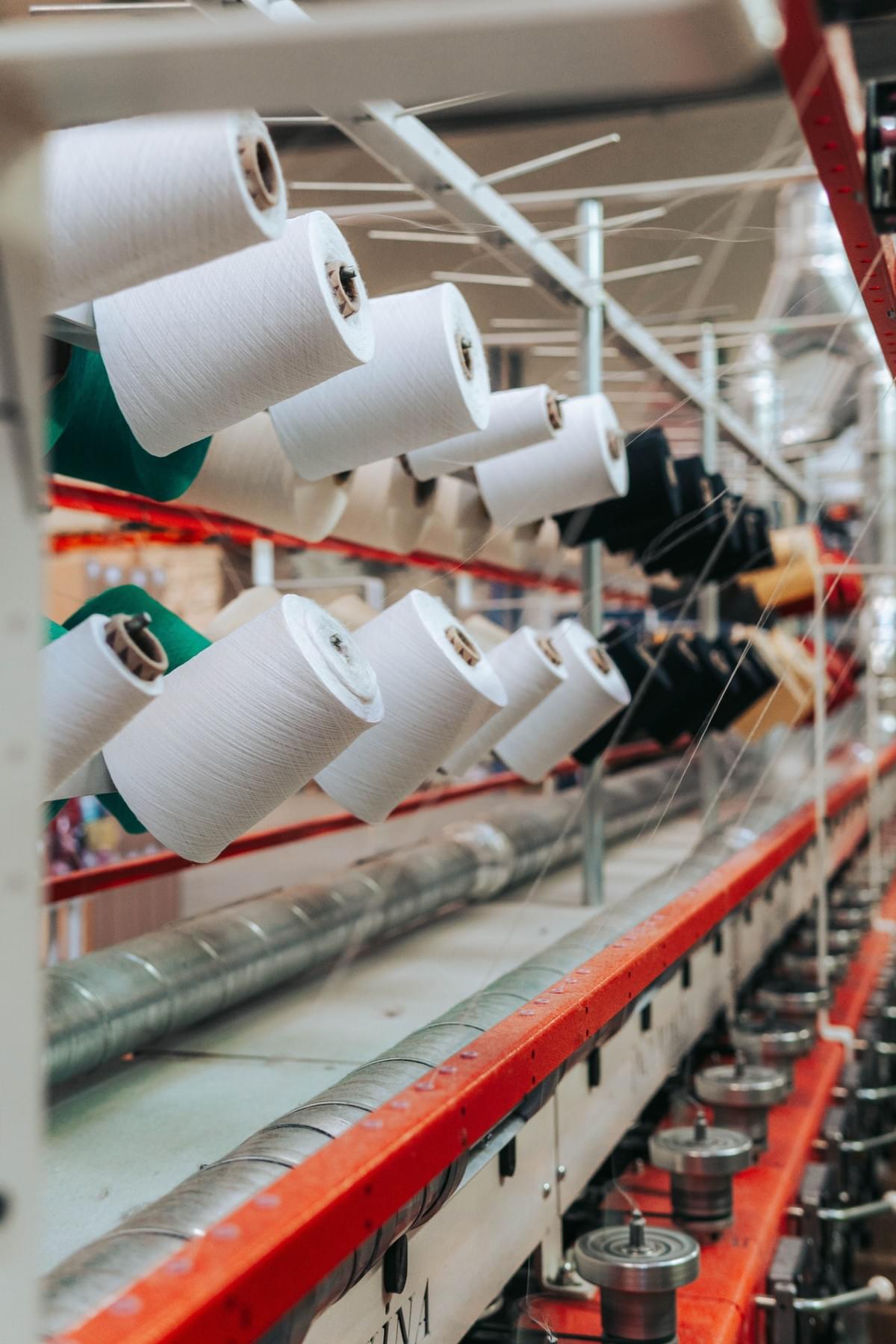
一、Category Segmentation:Functional & Scenario-Based Division for Full Yoga Demand Adaptation
1. Light & Comfort Series: First Choice for Low-Intensity Yoga & Daily Wear
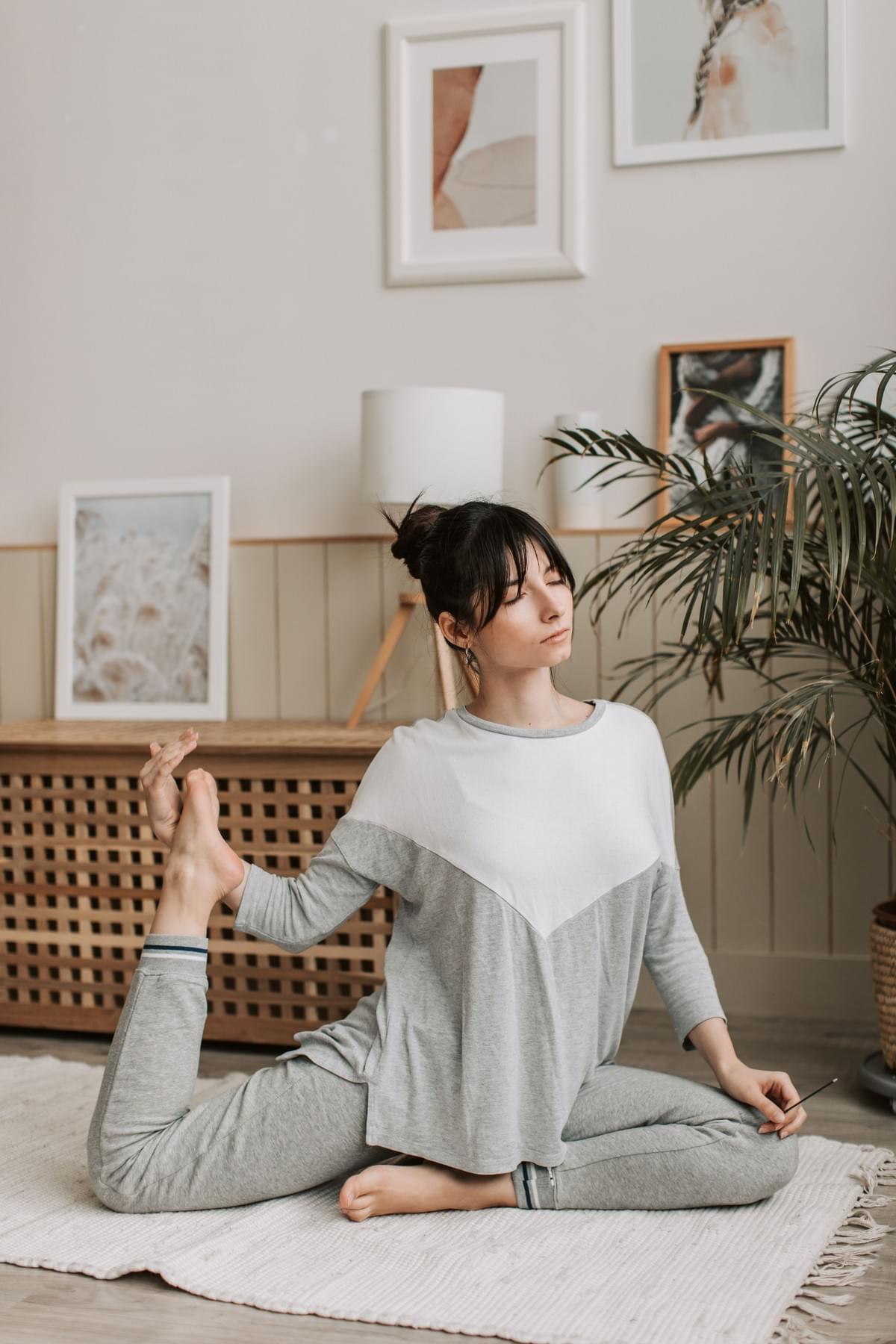
This series focuses on ultimate skin friendliness and breathable looseness, mainly designed for low-intensity static yoga practices and boasting the highest penetration rate in daily wear. The fabric generally adopts a 95% cotton + 5% spandex blend, retaining the natural air permeability and soft texture of cotton while adding mild elasticity for zero tightness and unrestricted movement.
Applicable Scenarios: Static low-intensity practices such as Yin yoga, restorative yoga, meditation and bedtime stretching; also suitable for home wear, short-distance outings and campus casual outfits.
Core Features: Loose and pressure-free fit, moisture-absorbent, breathable and skin-friendly for sensitive skin. The main drawback is poor quick-drying performance and slight deformation after repeated wear, making it unsuitable for high-intensity sweaty workouts. It remains the top choice for 72% of urban women for daily casual wear, balancing comfort and minimalist aesthetics.
2. High-Elastic Quick-Dry Functional Series: Designed for Medium & High-Intensity Dynamic Yoga
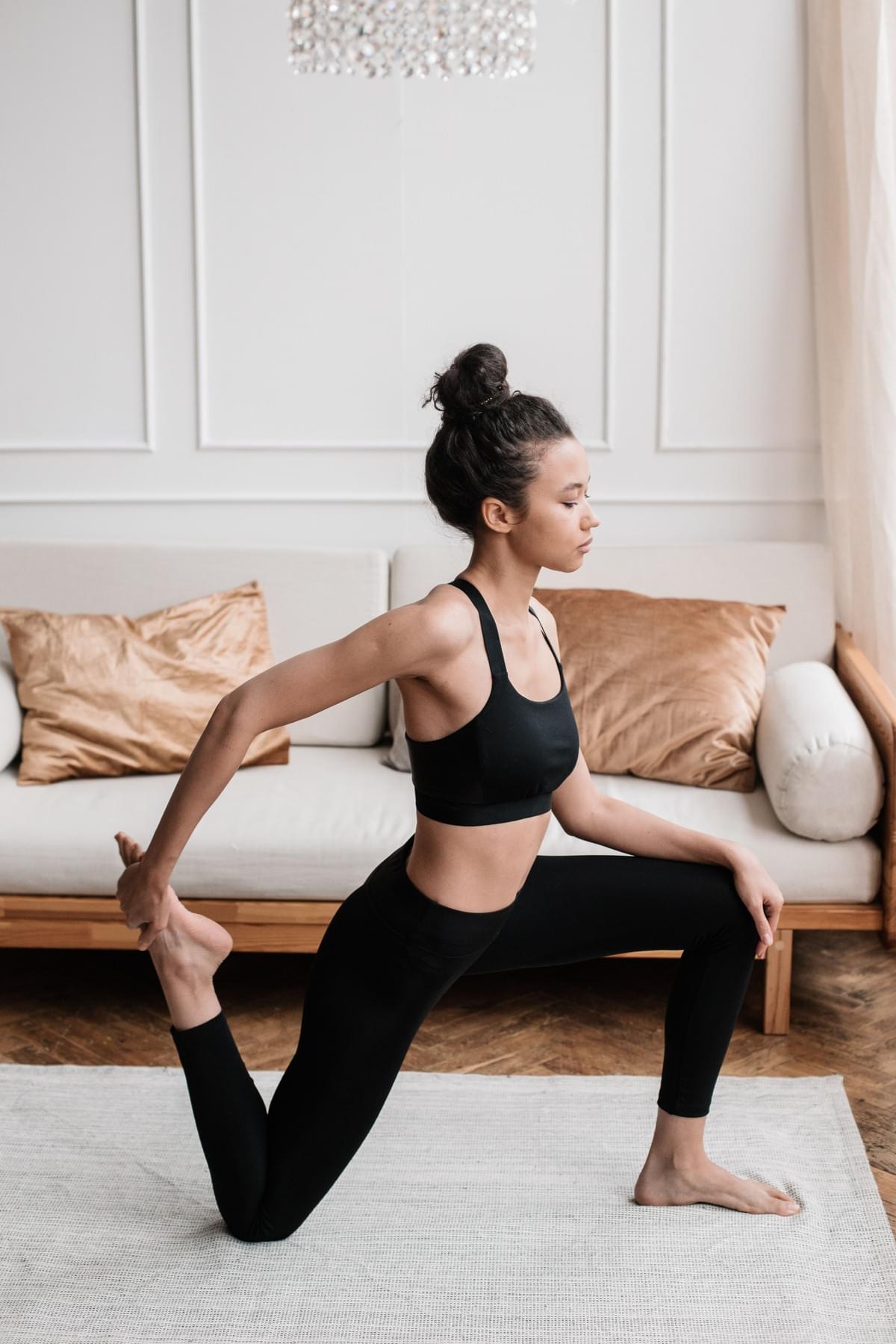
Specially developed for dynamic and high-intensity yoga, this is the core gear for professional practitioners. The fabric is mainly composed of 85% polyester fiber + 15% spandex, with high-end versions adopting upgraded antibacterial and moisture-conductive technical fabrics. It features high elasticity, rapid sweat drainage, wrinkle resistance and durability. Adopting three-dimensional tailoring and high-waist tummy-control design, it fits body curves perfectly, supports muscles effectively and reduces exercise friction.
Applicable Scenarios: Medium and high-intensity dynamic yoga including Vinyasa, Ashtanga and Hot yoga, as well as strength yoga; also applicable for comprehensive gym training and aerobic workouts.
Core Features: Instant sweat evaporation, no stuffiness or stickiness, high resilience and permanent shape retention, excellent wear resistance. Some styles are equipped with sun protection, antibacterial and deodorant functions. It provides superior muscle support to relieve fatigue during long-term and high-frequency workouts.
3. Seamless Compression Professional Series: For Advanced Training & Outdoor Cross-Scenario Use
As a high-end professional yoga apparel category, this series adopts seamless weaving technology with stitch-free frictionless design and gradient compression structure, ranking among the fastest-growing segmented products in recent years. Through zoned fabric pressure design, it accurately supports core, waist, abdomen and leg muscles, boosts blood circulation and reduces physical exertion during exercise.
Applicable Scenarios: Professional yoga grading examinations, competitive practice and high-intensity physical training; outdoor hiking, light sports and urban outdoor cross-styling scenarios.
Core Features: Friction-free wearing experience, outstanding muscle support, perfect shaping effect and durable deformation resistance. It balances high functionality and premium texture, perfectly adapting to the dual “sports + outdoor” scenarios and catering to the booming cross-styling trend.
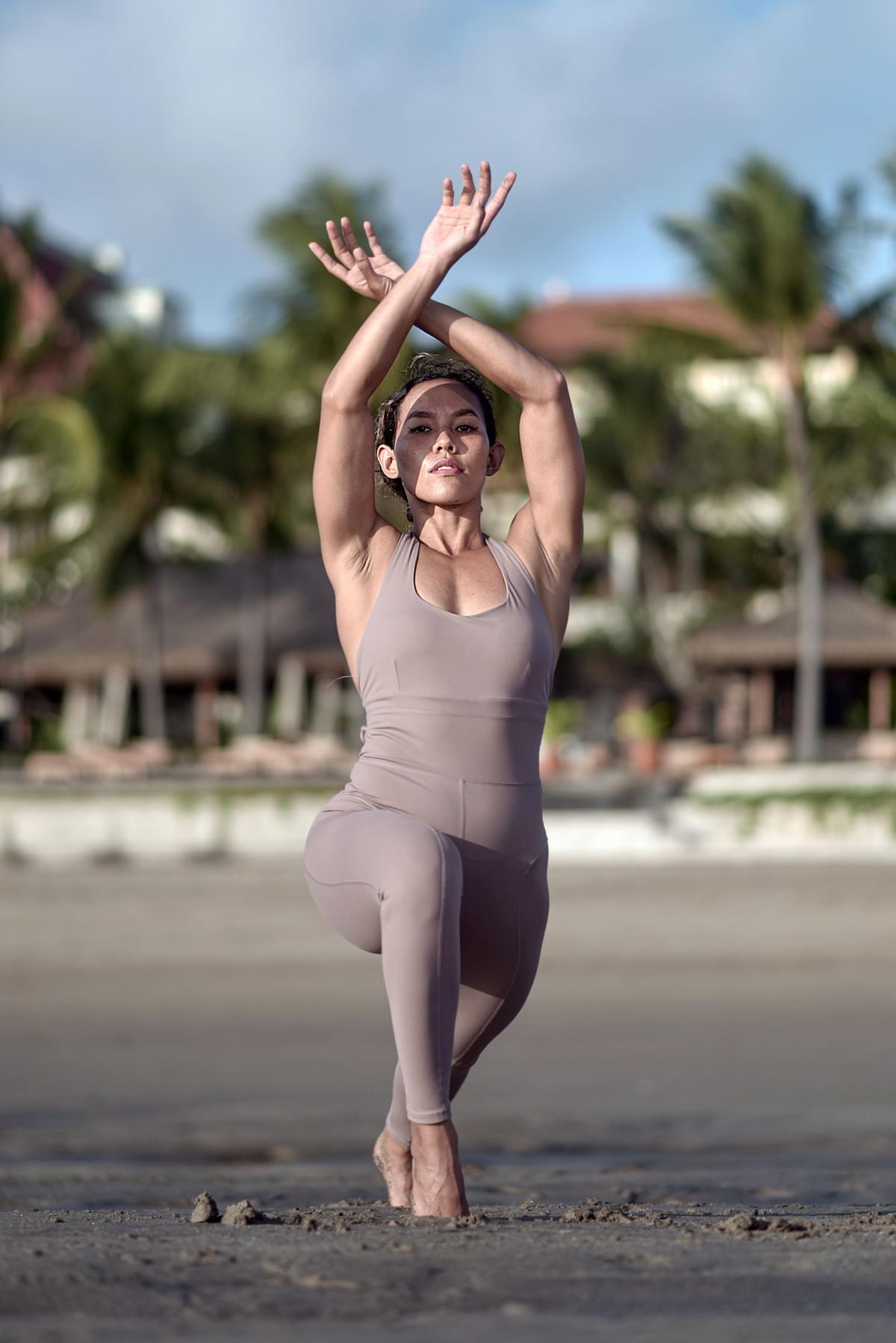
4. Versatile Styling Series: Boundless Scenarios with Balanced Aesthetics & Practicality
Different from pure professional sports styles, this series weakens competitive attributes and strengthens fashionable styling performance, covering pocket leggings, camisole sets, sun-protective yoga coats and long yoga cardigans. With minimalist and high-end color matching and versatile silhouettes, it breaks the boundary between sports and daily wear. Statistics show that the sales volume of yoga leggings surged by 187% in 2026, among which cross-scenario styling products contributed the major growth, with 74% of yoga apparel purchased for daily commuting outfits.
Applicable Scenarios: Daily commuting, casual shopping, light exercise, outdoor check-ins and short trips, realizing multi-scenario wearing with one piece of clothing.
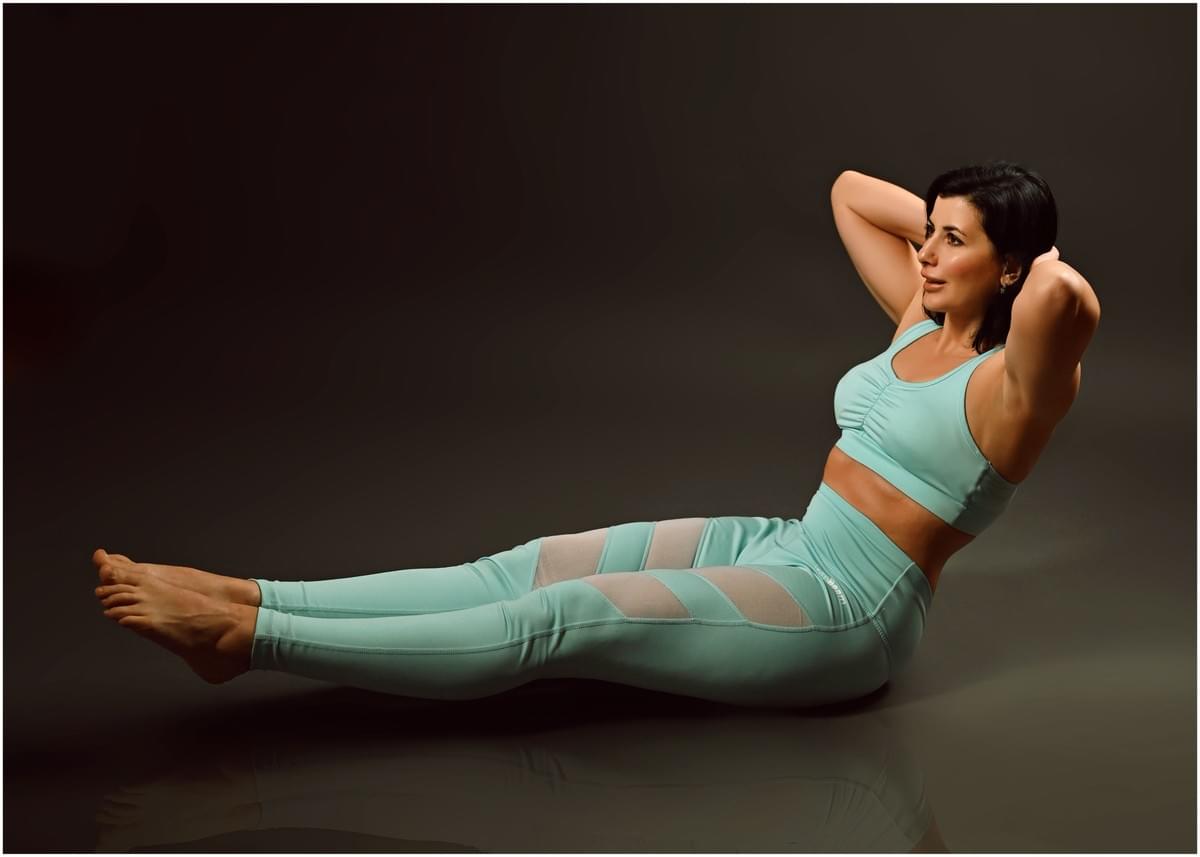
二、Customized Production: New Growth Driver for the Yoga Apparel Industry with Flexible Transformation as the Mainstream
1.Brand Differentiation Customization: Mid-End Mainstream Mode
This is the core customization business of manufacturers, serving mid and small-sized yoga apparel brands, social media influencers and offline yoga studio private brands. Customizable items include fabric selection, silhouette fine-tuning, color matching customization, logo embroidery/printing, and exclusive accessories such as waistbands, drawstrings and labels.
Production ends have fully adapted to flexible production modes, breaking the traditional large minimum order quantity limit and realizing small-batch restocking and rapid iteration. Brands can create exclusive styles based on positioning: high-end brands adopt sustainable eco-friendly fabrics and seamless craftsmanship; cost-effective brands focus on high-quality quick-dry materials; influencer brands highlight niche color schemes and unique tailoring, completely eliminating market homogenization competition.
2.Scenario-Based Functional Customization: Precise Breakthrough in Segmented Tracks
Scenario-targeted customization of fabrics and craftsmanship builds core competitiveness in professional segmented tracks. Custom solutions are tailored for different exercise scenarios: ultra-quick-dry mesh breathable fabrics for hot yoga; UPF sun-protective, UV-resistant and snag-proof fabrics for outdoor yoga; inclusive high-tolerance silhouettes with upgraded elasticity for beginners and plus-size groups; gradient compression muscle-support fits for professional athletes.
Functional customization precisely matches segmented user demands with much higher premium space than standardized products, forming core technical barriers for leading brands. Meanwhile, eco-friendly sustainable customization has become a new trend, with growing orders for recycled fiber and plant-dyed green materials, aligning with global sustainable consumption trends.
3. Personal Niche Customization: High-End Premium Service
Targeting high-end consumers, professional yoga instructors and fitness influencers, this service provides one-on-one silhouette modification, exclusive color matching, private logo customization and size fine-tuning. Different from batch customization, it focuses on perfect fitness and unique exclusivity with high unit prices. Though currently small in market volume, it maintains rapid growth as an important supplement to the high-end niche market.
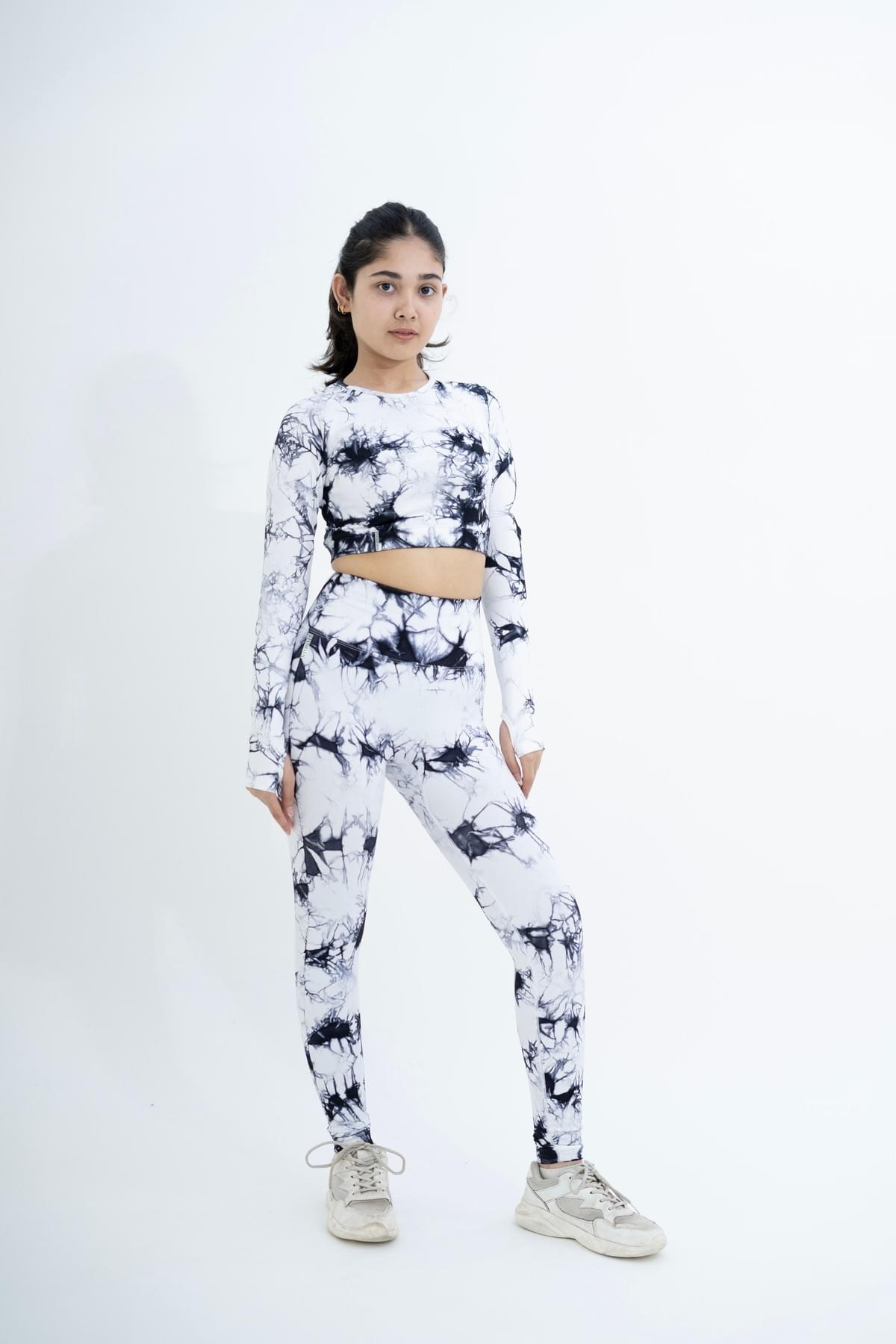
三、Core Market Trends of 2026: Four Major Trends Leading Industrial Transformation
1. Blurred Wear Boundaries & Dominant Athleisure Integration
Yoga apparel, once limited to yoga studios and gyms, now covers all scenarios including sports, commuting, home wear and outdoor activities. Data shows that over 70% of consumers purchase yoga apparel not only for workouts but mainly for daily wear, making yoga leggings a daily staple replacing jeans and casual pants for urban women.
Future product design will fully tilt toward “light sports, heavy styling”, abandoning exaggerated sports elements and focusing on minimalist and high-end fashion attributes with balanced comfort and aesthetics. Multi-scenario versatile products will continue to capture market share, while pure professional sports styles will see slowed growth, making cross-scenario versatile styles the main sales force.
2. Refined Functional Upgrading & Technical Fabric as Core Barrier
Consumer demands for yoga apparel have upgraded from basic comfort and elasticity to precise functional adaptation. Single quick-dry and elastic fabrics can no longer meet market needs, while refined functions including antibacterial deodorization, constant temperature control, UV protection, gradient compression, partitioned breathability and anti-light leakage have become standard configurations.
Meanwhile, intelligent textile technology has been applied in the yoga apparel industry, with embedded sensor fabrics realizing sports data monitoring and physical condition feedback, boosting the premium capability of high-end technical products. The iteration of fabric craftsmanship accelerates, with seamless weaving, 3D three-dimensional tailoring and traceless glue pressing widely popularized, shifting industrial competition from style iteration to fabric and technology competition.
3. Rising Green Sustainable Consumption & Eco-Friendly Production as Industrial Standard
The global environmental consumption wave has penetrated the sportswear track, making sustainable development a core growth logic of the yoga apparel industry. More consumers prioritize yoga apparel made of recycled polyester, organic cotton, plant-dyed and other eco-friendly materials, forcing the transformation and upgrading of production ends.
Leading brands and mainstream manufacturers have built green production systems with low-pollution printing and dyeing and recyclable materials. Eco-customization and green supply chains have become core brand competitiveness and essential entry thresholds for the industry, eliminating low-quality products made of high-pollution ordinary fabrics.
4. Flexible Customization Replaces Mass OEM, Bringing Opportunities for Mid & Small-Sized Brands
Traditional standardized mass production faces prominent drawbacks including high inventory backlog, severe homogenization and slow iteration. In contrast, flexible customized production perfectly adapts to current niche and differentiated consumer demands, making small-batch quick response and on-demand production the industrial mainstream.
For industry practitioners, this model lowers market entry barriers by eliminating large-scale stocking risks and blind trend following. Brands can easily enter the market by targeting segmented crowds and launching differentiated customized products. Meanwhile, gender-inclusive sizing, full-size coverage and neutral styling have emerged as new trends, expanding overall market increment by covering all consumer groups.
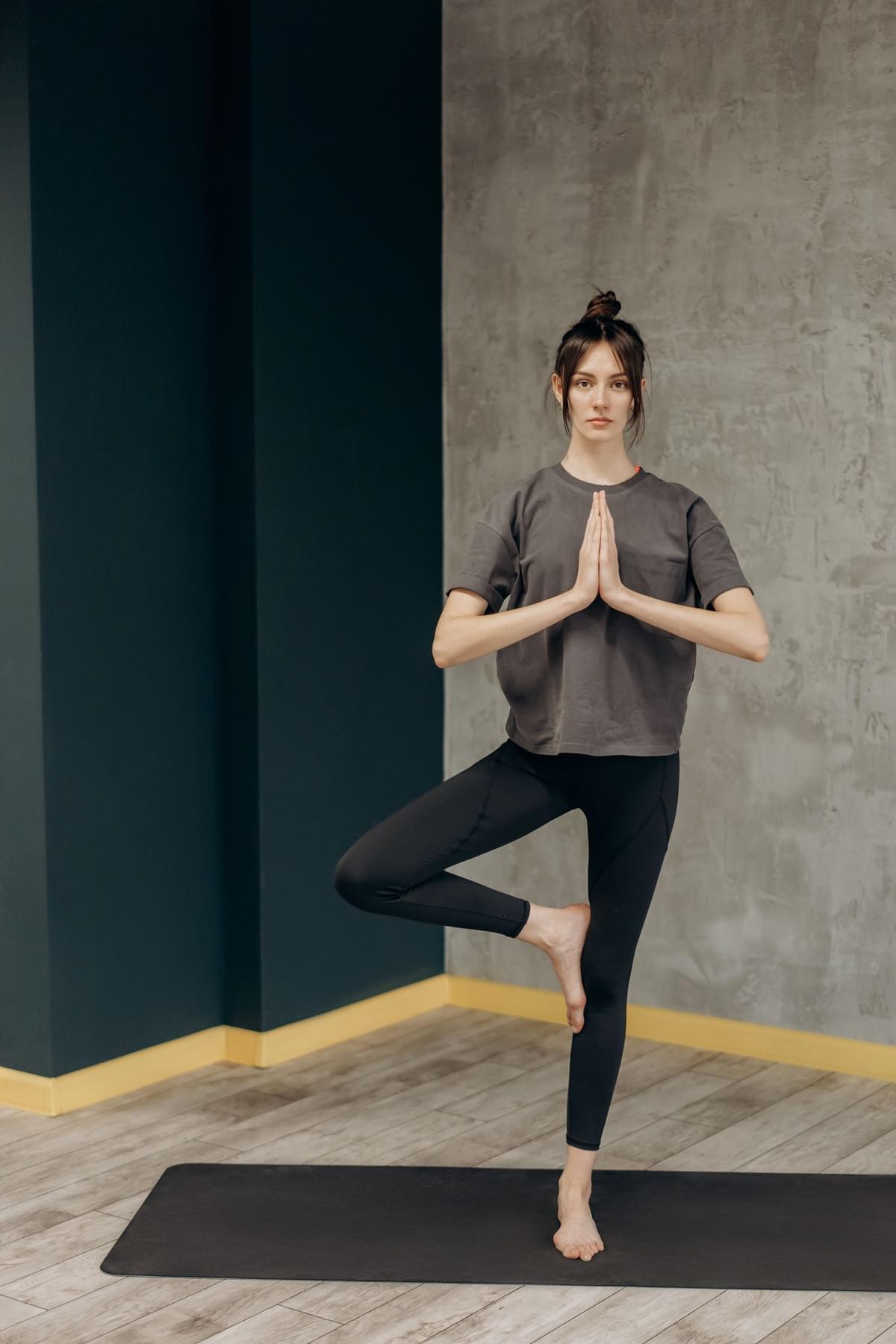
四、Conclusion: Long-Term Opportunities in the Refined Era of the Yoga Apparel Industry
The yoga apparel industry has completed comprehensive iteration in 2026: from a single sports product to a full-scene daily necessity, from standardized mass production to refined flexible customization, and from basic comfort demands to multi-dimensional upgrades of technology, environmental protection and aesthetics.
For consumers, understanding the category segmentation and scenario adaptation of yoga apparel enables accurate product selection with optimized sports experience and daily styling aesthetics. For practitioners and brands, grasping the four major trends of scenario integration, technological functionality, green sustainability and flexible customization and cultivating segmented tracks with differentiated products will help capture incremental opportunities in the stock market.
Future competition in the yoga apparel industry will no longer focus on price and style, but on refined demand matching, core craftsmanship technology and differentiated customized services. Refinement, personalization, high-end positioning and green development will remain the long-term mainstream of the industry.