
When it comes to choosing underwear and lingerie, most people focus on style, fit, and colour. But what’s next to your skin all day long deserves more attention - particularly the fabric it's made from.
Nowadays,most underwear and lingerie fabrics are made from a blend of two or more fibres to combine different aesthetic and technical characteristics. Such as a cotton-elastane blend jersey fabric, leveraging the softness of the cotton fibres and the stretch of elastane.
For that, we need to get to what the fabric is composed of.
Section One: Natural Fibres
1. Cotton
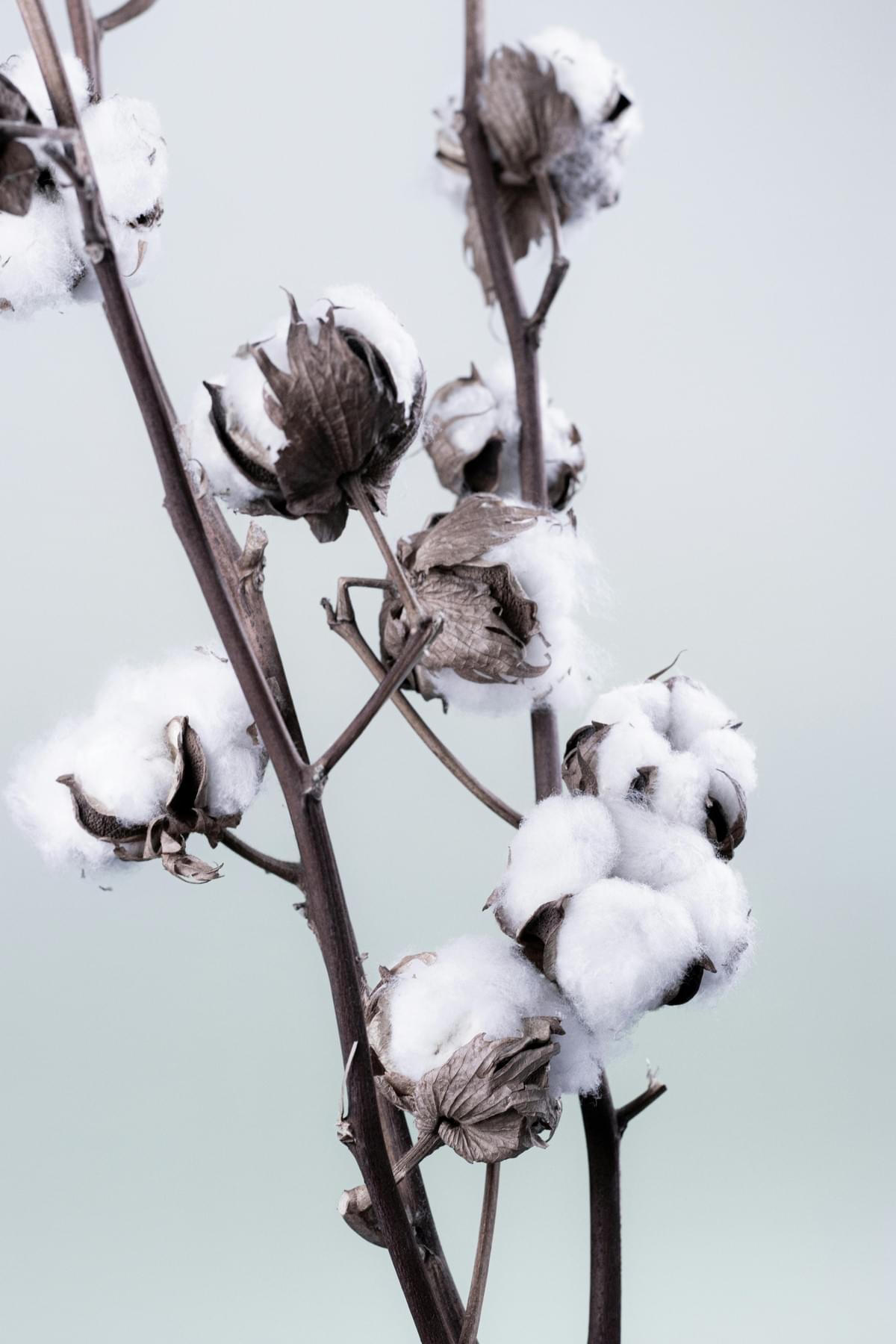
Grown from the cotton plant, a crop widely cultivated around the world. The largest producers include India, China, the United States and Brazil.
Cotton is soft, breathable, and has strong moisture absorption properties. Although raw cotton is naturally hypoallergenic, the processing non-organic cotton undergoes can introduce chemicals that may cause allergic reactions (so those with sensitive skin should look for a certification like the OEKO-TEX STANDARD 100).
Cotton is widely used in underwear for its comfort, durability, and affordability, but can tend to shrink over time and can lose shape without blended fibres.
Positive Sustainability Impacts:
Cotton is a natural and renewable fibre that is biodegradable in its pure form. It supports many agricultural communities around the world, providing livelihoods in both developing and developed nations.
Negative Sustainability Impacts:
Conventional cotton farming uses large quantities of synthetic pesticides, herbicides, and fertilisers, contributing to water pollution, soil degradation, and biodiversity loss. Cotton also requires an exceptional amount of water to grow, which is a key concern as climate change drives the increase of arid conditions in large parts of the developing world.
2. Organic Cotton
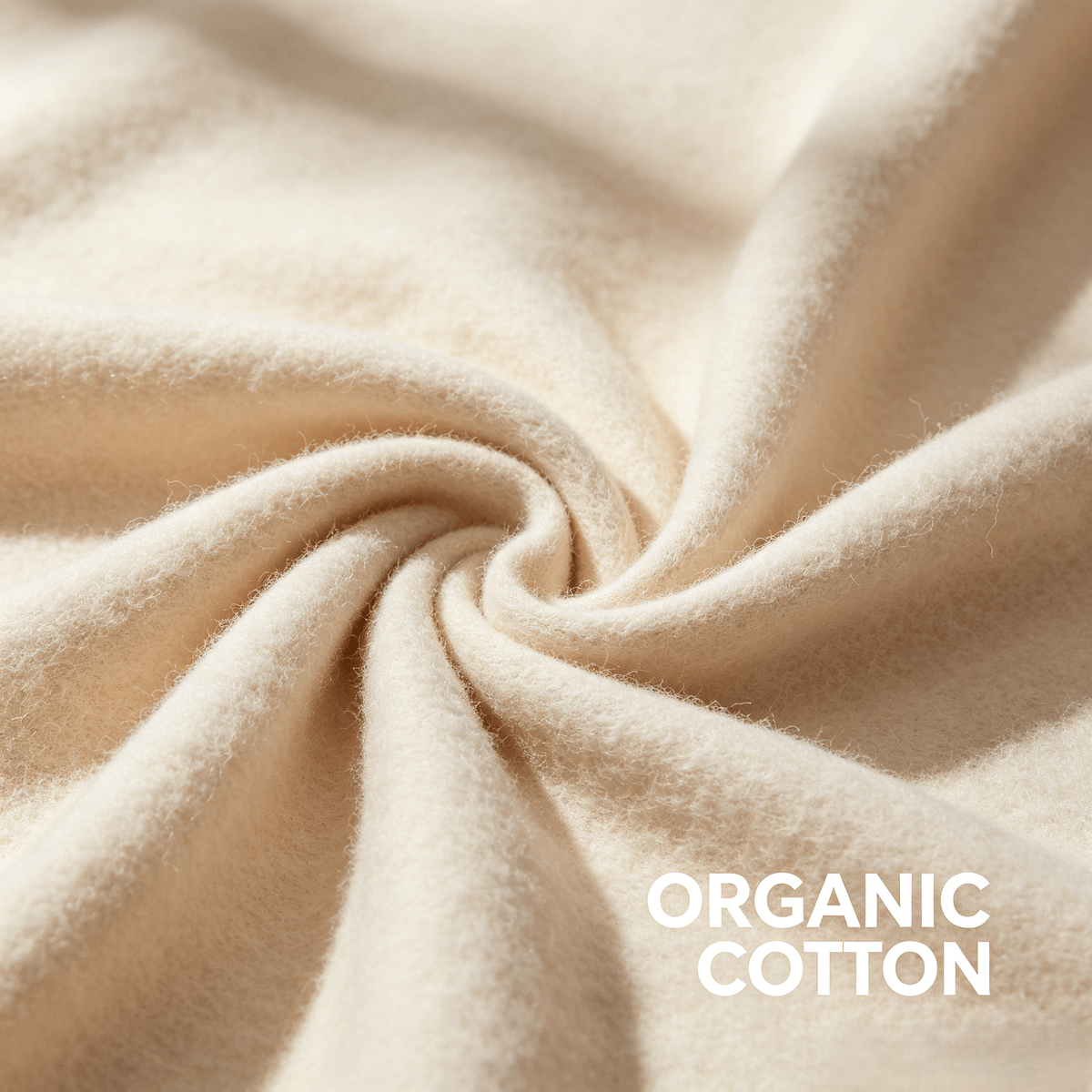
Derives from the same plant as conventional cotton, but is grown without the use of synthetic chemicals.
Organic cotton offers the same basic qualities as regular cotton, and can be more suitable for people with sensitive skin or allergies. Fabrics made from organic cotton are typically more durable than their conventional counterparts when cared for properly.
Positive Sustainability Impacts:
Organic cotton farming avoids synthetic pesticides and fertilisers, improving soil health, reducing water pollution, and offering a lower threat to the surrounding ecosystem. It typically uses less water overall, especially when rain-fed.
Negative Sustainability Impacts:
It often yields much less per acre than conventional cotton, requiring more land for the same output.
3. Viscose (aka Rayon)
A form of rayon, a semi-synthetic fibre made from wood pulp - often from bamboo, beech, pine, or eucalyptus. Its production involves dissolving wood pulp in strong solvents to extract cellulose, the main component of plant cell walls, which is then chemically regenerated into fibres.
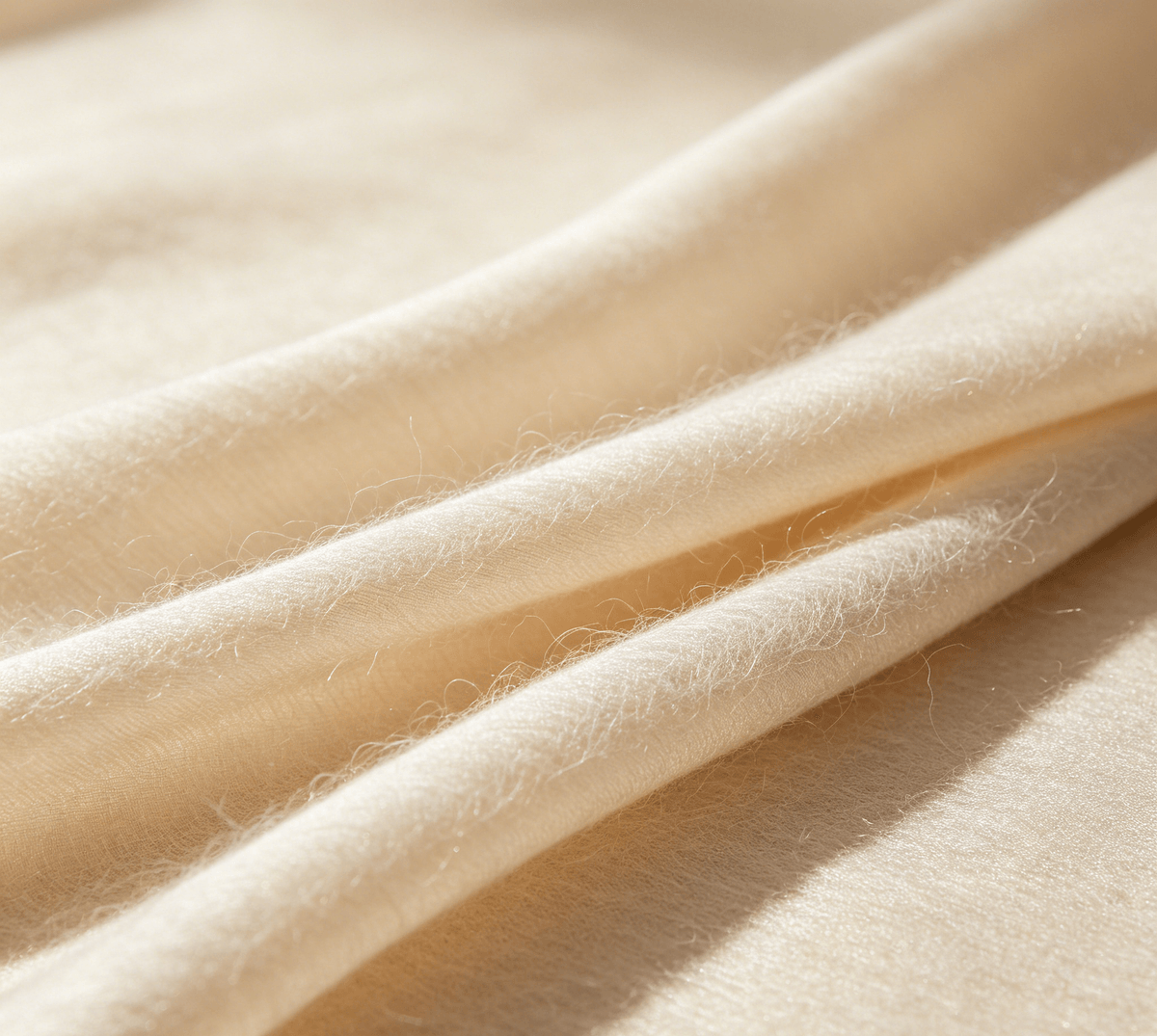
Viscose is known for its soft, smooth texture and silk-like drape. It is breathable, moisture-absorbent, and can be used to create fabrics with a satin sheen, which makes it a popular option for fashion underwear and lightweight layering pieces.
Positive Sustainability Impacts:
VIscose can be made from renewable plant sources, is biodegradable in its pure form, and can be a lower-impact alternative to petroleum-based synthetics when responsibly produced.
Negative Sustainability Impacts:
Most viscose is produced through a polluting process involving carbon disulfide and other toxic solvents. When these solvents aren't treated with care (i.e. in carefully controlled processes, before being recycled or captured and re-processed) they can pose a grave risk to ecosystems and pose severe health risks for workers.
4. Lyocell and Modal (including TENCEL™)
Both are also types of rayon fibre derived from wood pulp - commonly eucalyptus (lyocell) or beech trees (modal). As with viscose, wood pulp is dissolved in a solvent and then extruded into filaments. But in the case of lyocell and modal, a single non-toxic organic solvent (NMMO) is used, which is then recovered and recycled in a closed-loop process.
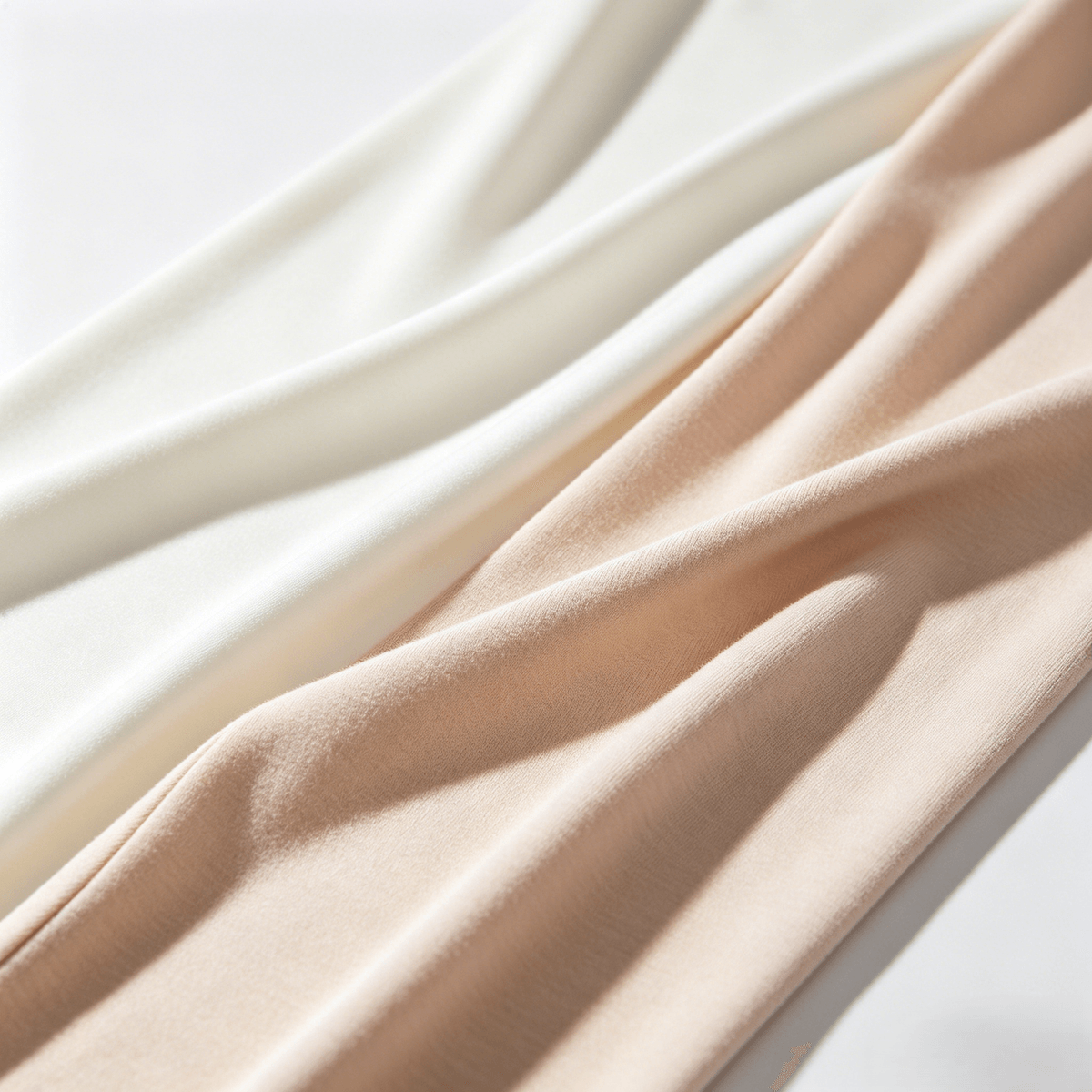
Lyocell and modal are known for their luxuriously soft and silky feel. They are highly breathable, wick moisture efficiently, and are naturally smooth against the skin. This makes them ideal for both everyday underwear and more premium, fashion-forward pieces.
The fibres have a satisfying drape, resist wrinkling, and also tend to hold dye well, producing rich, lasting colours.
Positive Sustainability Impacts:
Lyocell and modal fibres are produced using a closed-loop system that captures and reuses the chemical solvent used to break down the wood pulp, minimising pollution and waste.
The fibres are biodegradable, and the wood they derive from requires less land and water than cotton, and no pesticides or herbicides to grow.
Negative Sustainability Impacts:
While the production process is more sustainable than traditional rayon/viscose, it still requires the use of chemical solvents. The sustainability of these fibres depends heavily on responsible forestry and processing practices.
5. Closed-Loop Bamboo (aka Bamboo Lyocell)
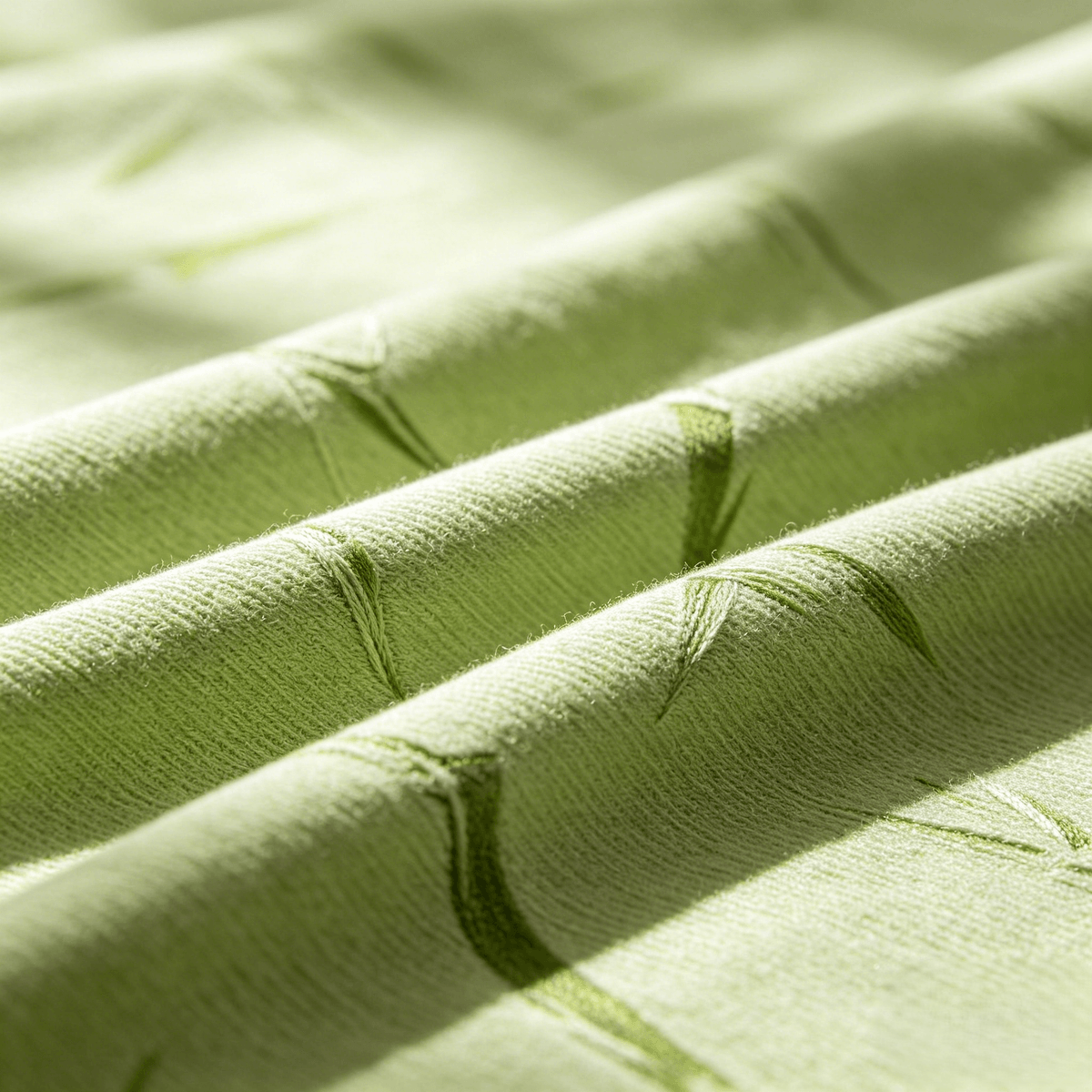
Another form of rayon fibre derived from fast-growing bamboo plants and processed using closed-loop processes.
It is prized for its softness, drapability, and lightweight, silky texture. It has natural antibacterial properties and helps regulate temperature, making it a great choice for both warm and cool climates.
Underwear made from bamboo tends to be breathable, moisture-wicking, and gentle on the skin, suitable for everyday and performance wear.
Positive Sustainability Impacts:
Bamboo grows extremely quickly without pesticides or herbicides and requires very little water. When processed in a closed-loop system, bamboo fibre production can be environmentally friendly, reducing chemical waste and energy use.
Negative Sustainability Impacts:
Much of the bamboo marketed as "eco-friendly" is actually bamboo viscose, produced with harsh chemicals in polluting factories. The closed-loop processed versions are significantly better, but certifications and transparency in supply chains are often lacking - look for FSC certification to ensure the bamboo is from a sustainable source, and ECOCERT or OEKO-TEX STeP certification covering closed-loop processing.
6. Hemp
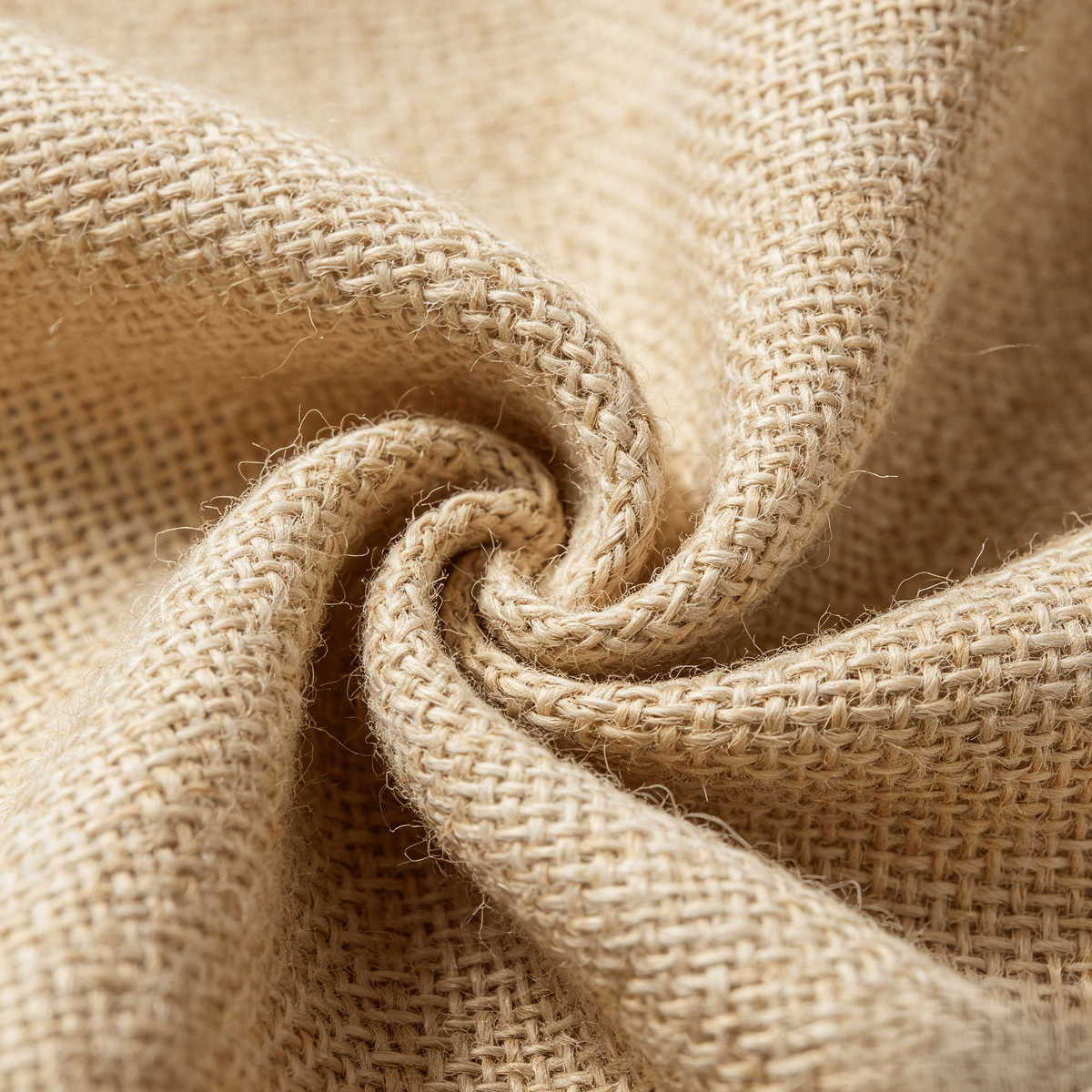
It is made from the fibres found in the outer layer of the hemp plant's stalk. The process involves harvesting the stalks, then separating the fibres through a process called retting. After further processing to remove impurities, the fibres are spun into yarn.
Which is breathable and naturally textured, though it softens with each wash. It has excellent moisture-wicking and antibacterial properties, and is known for being strong and durable - perfect for underwear that lasts.
Positive Sustainability Impacts:
Hemp is one of the most environmentally friendly fibres. It grows quickly, suppresses weeds naturally, and improves soil health. It requires very little water and no synthetic pesticides or fertilisers. It's also biodegradable and often farmed organically.
Negative Sustainability Impacts:
Despite its benefits, hemp remains a niche product in the fashion industry. Regulatory issues around hemp cultivation in some countries make it difficult to source, limiting sustainable scaling.
7. Silk
Harvested from silkworm cocoons, primarily Bombyx mori.
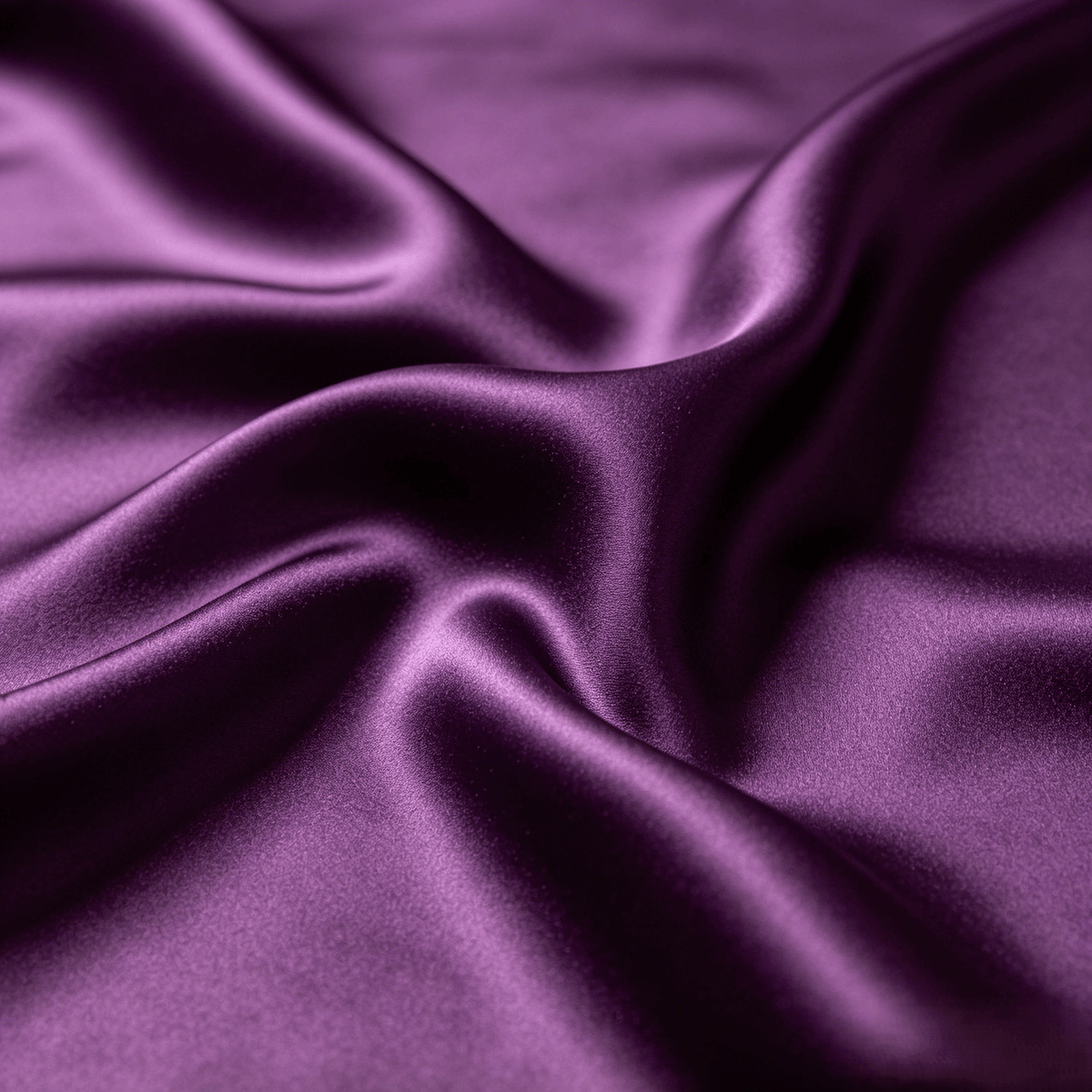
Silk is luxurious, smooth, and naturally temperature-regulating. It feels light and soft against the skin, making it an indulgent choice for lingerie and nightwear.
It’s also strong for its weight and drapes beautifully, though it requires delicate handling and special care (like hand-washing or dry cleaning).
Positive Sustainability Impacts:
Silk is a natural protein fibre and is biodegradable. It can be produced without chemical fertilisers or synthetic pesticides if done sustainably, and the silk industry often supports artisanal and heritage farming communities.
Negative Sustainability Impacts:
The traditional silk process involves boiling live silkworms, raising animal welfare concerns.
Its production process is energy- and water-intensive, leading to high production costs.
Section Two: Synthetic Fibres
8. Polyester
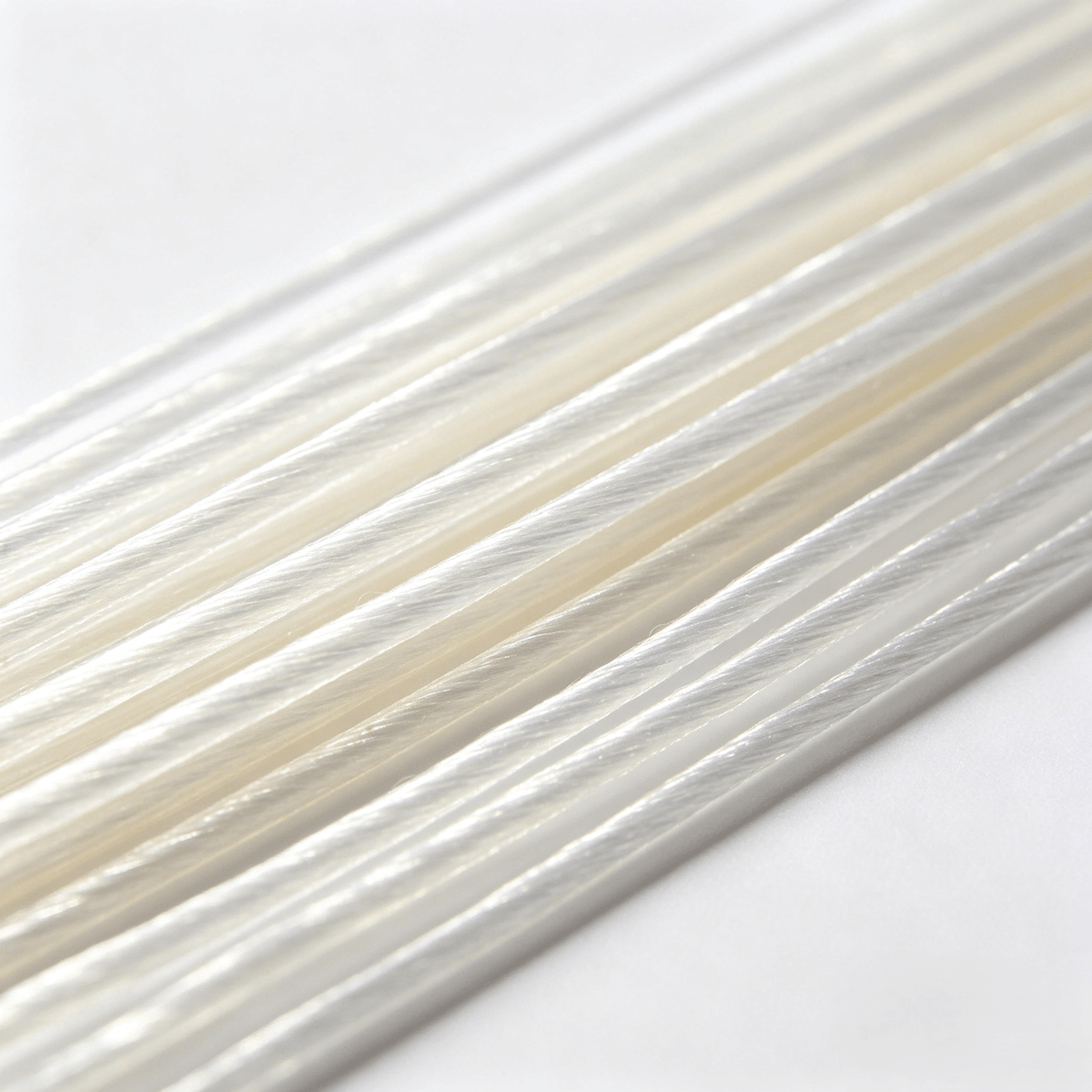
Polyester is a synthetic fabric primarily made from petroleum-based chemicals, specifically polyethylene terephthalate (PET). It's created through a chemical process known as polymerisation, which results in the formation of long polymer chains which are the basis of polyester fibres.
Polyester is strong, wrinkle-resistant, and retains its shape exceptionally well, making it ideal for shapewear. It also dries quickly, a property valuable in creating activewear and moisture-wicking underwear fabrics. It’s often blended with natural fibres or elastane to enhance comfort and stretch.
Positive Sustainability Impacts:
Polyester is durable and long-lasting, which can reduce the need for frequent replacements.
Negative Sustainability Impacts:
Virgin polyester is made from non-renewable petroleum and has a high carbon footprint. The production process involves toxic chemicals and energy- and water-intensive practices. It sheds microplastic microfibres during washing, polluting waterways and marine ecosystems.
9. Nylon (Polyamide)
Nylon is another synthetic polymer made from monomers derived from petroleum.
Nylon is lightweight, silky, and incredibly strong. It has excellent stretch and recovery, making it ideal for snug-fitting garments like bras, bodysuits, and seamless underwear. It offers a smooth feel against the skin and resists abrasion, contributing to long product life.
Positive Sustainability Impacts:
As with polyester, nylon's durability means garments can last a long time with proper care. It also maintains its shape well, reducing premature disposal due to wear and tear.
Negative Sustainability Impacts:
Virgin nylon is energy-intensive to produce and generates nitrous oxide, a greenhouse gas with a global warming potential significantly higher than carbon dioxide. Like polyester, it sheds microplastics and is not biodegradable.
10. Elastane / Spandex (aka Lycra)
Elastane is a synthetic fibre made primarily from polyurethane. The production process involves dissolving polyurethane in a chemical solvent, then dry-spinning it into fibres.
Elastane is highly elastic, capable of stretching five to eight times its length, and is primarily used to enhance the fit, flexibility, and shape retention of underwear fabrics. Used in small percentages (usually 2–10%), it transforms static fabrics into body-hugging, movement-friendly materials.
Though rarely used alone, elastane is a key ingredient in many modern underwear fabrics - used in everything from sports bras and shapewear.
Positive Sustainability Impacts:
Because it is used in small proportions, its presence allows garments to perform better and last longer, particularly by retaining shape and elasticity, again reducing the likelihood of early disposal due to wear.
Negative Sustainability Impacts:
Elastane is fully synthetic, non-biodegradable, and as it cannot be recycled in most systems, it complicates the recycling of blended fabrics. Production relies on harmful chemicals, and labour practices are not consistently regulated for worker safety and environmental protection.
11. Recycled Polyester (rPET)
Recycled polyethylene terephthalate, is made by collecting, cleaning, and melting down used plastic bottles and other PET packaging. This recycled material can then be used to create various new kinds of products, including fibres for fabrics.
Recycled polyester offers the same strength, durability, and performance as virgin polyester. It feels smooth, holds colour well, and resists shrinking and wrinkling. As a direct substitute for virgin polyester, in underwear, it’s used for its lightweight and quick-drying properties.
Positive Sustainability Impacts:
By reusing existing plastic, rPET reduces landfill waste and the demand for virgin fossil fuels. It has a much lower carbon footprint than virgin polyester, uses less energy and water in its production, and can extend the life cycle of materials.
Negative Sustainability Impacts:
Despite being recycled, rPET still sheds microplastics and remains non-biodegradable. The recycling process itself requires energy and chemical treatment. Availability of high-quality feedstock and global recycling standards vary, making traceability and quality assurance inconsistent.
12. Recycled Nylon
Recycled nylon is made through a process of recovering and regenerating nylon waste, primarily from items like fishing nets, fabric scraps, and industrial plastics, into a high-quality nylon yarn.
Recycled nylon is identical in performance to virgin nylon - lightweight, smooth, stretchy, and strong. It’s ideal for creating sleek performance underwear and activewear.
Positive Sustainability Impacts:
Recycled nylon diverts waste from landfills and oceans, including harmful fishing nets. Its closed-loop regeneration systems lower reliance on crude oil and reduce greenhouse gas emissions, whilst supporting efforts to clean marine environments and promote circularity in fashion.
Negative Sustainability Impacts:
As with recycled polyester, recycled nylon still sheds microplastics, is non-biodegradable, and recycling infrastructure is limited. High costs and technological barriers mean that recycled nylon is not yet widely accessible or affordable.
Tacking Microfibre Pollution
All fabrics shed tiny fibres when they're machine washed, whether they're composed of natural or synthetic fibres. These fibres enter washing machine wastewater, and as some are too small to be captured by washing machine or sewage treatment plant filters, they ultimately find their way into rivers and the marine environment.
Thanks to recent high-profile environmental campaigns, most people are now aware of the dangers posed to human and animal health and the wider ecosystem by microplastics, and one form of microplastic is synthetic microfibres.
There are various ways to mitigate the threat of synthetic microfibre pollution, including washing clothes less frequently and on shorter, cooler cycles, and always washing full machine loads, which reduces the friction between articles that causes microfibre shedding.
Another solution is a microfibre-capturing washing bag, which both reduces the amount of fibres which break away from synthetic clothing and collects those fibres which do break away, so that after washing they can be easily removed and disposed of conscientiously.
Choosing The Right Fabrics For Your Body - And The Planet
Underwear is personal, and the fabrics that work best for each of us will depend on our needs, our values, our circumstances, and our budgets.
If you’re all about breathability and comfort, GOTS-certified organic cotton, lyocell and modal, and certified bamboo lyocell are popular choices for more eco-friendly underwear.
Prefer something sleek and sexy or simply more durable? Nylon or polyester blends may appeal, but look for certifiably recycled options for your sustainble lingerie, and make sure you mitigate against microfibre shedding.
Looking for the most eco-conscious options of all? Hunt out garments made from reclaimed fabrics, organic hemp, or certifiably closed-loop processed natural fibres.
Whether you’re shopping for luxury lingerie, everyday briefs, athletic underwear, or loungewear, your choice of fabric matters - for your skin, your peace of mind, textile industry workers, and the Earth.