
Seamless knitting (Santoni machine production) has unique technical limits, MOQ rules and quality risks that cut-and-sew apparel does not have. Many new DTC intimate apparel brands run into fit inconsistency, bulk sample drift, missed lead times and unexpected cost overruns when working with non-specialized suppliers.
Below we share three anonymized real project cases from Sweden, Brazil and UAE seamless underwear brands, plus a ready-to-use selection checklist and a full list of sourcing mistakes we see most often in seamless ODM orders.
一、Three Real Brand Case Studies
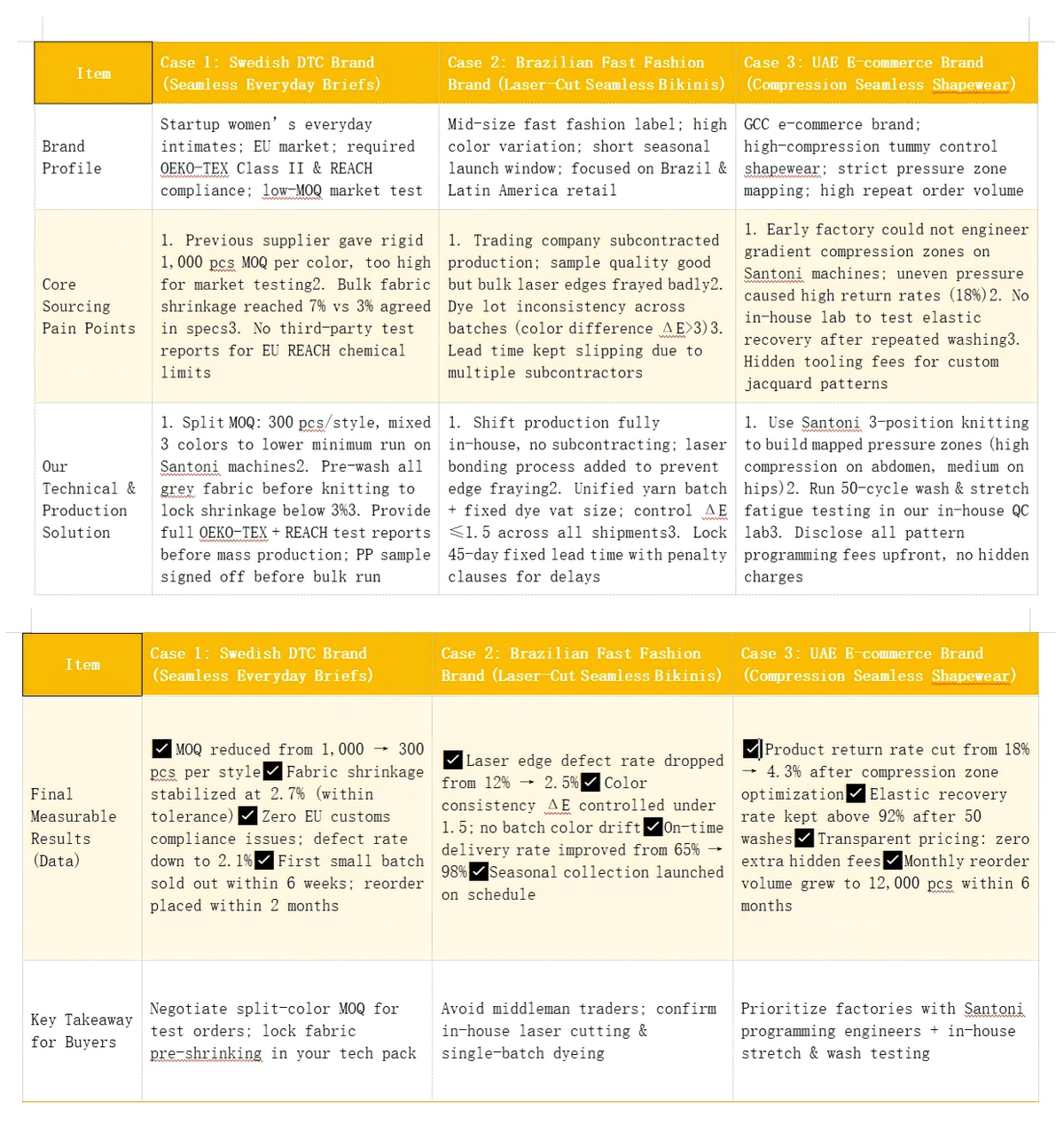
二、Seamless Underwear Factory Selection Checklist
A. Machine & Technical Capability (Seamless Core)
- Confirm the factory owns Santoni / Mayer & Cie seamless machines; ask for live machine video, not just photos.
- Check if they can do engineered compression zones, gradient jacquard, tagless knitting, laser bonded cutting.
- Clarify technical limits: seamless cannot make heavy multi-layer structure; confirm design boundaries before you finalize the tech pack.
B. MOQ & Lead Time Terms
- Stock silhouette (existing pattern): 100–200 pcs/style mixed colors.
- Full custom new pattern (new grade + compression mapping): 300–500 pcs/style per color (machine setup cost is fixed regardless of small batch size).
- Fixed timeline: sampling (7–14 days), PP pre-production sample (5–7 days), bulk production (30–45 days). Put delay penalty terms in the contract.
C. Fabric & Compliance (EU / US / GCC Mandatory)
- Mandatory certificates: OEKO-TEX 100 Class I/II, GRS (recycled yarn), REACH chemical test reports.
- Confirm yarn source, GSM, stretch rate, color fastness, shrinkage rate; require pre-wash treatment for all intimate apparel fabric.
- Request full fiber content labeling files to meet US FTC & EU GPSR labeling rules.
D. QC & Quality Control
- AQL 2.5 inspection standard for bulk goods; pre-production sample (PP sample) must be approved before knitting starts.
- In-house lab testing: stretch recovery, wash shrinkage, color fading, elastic fatigue test.
- No subcontracting: confirm all knitting, cutting, sewing is finished inside the factory, not outsourced to third-party workshops.
E. Cost Transparency
List all fees clearly without hidden charges:
- Pattern programming fee (one-time only)
- Sampling cost (fit sample + PP sample)
- Yarn dyeing cost (minimum dye vat quantity)
- Label, hang tag, packaging cost
- No extra “machine setup surcharge” after order confirmation
三、Top 12 Common Sourcing Pitfalls for Seamless Private Label Projects
These are the most frequent mistakes that cause budget loss and launch delays for seamless underwear brands.
(1) Confusing trading companies with real seamless factories
Many middlemen pose as manufacturers and outsource orders to multiple small knitters. Result: unstable quality, batch-to-batch color drift, no unified QC, and no accountability when defects appear.✅ Fix: Ask for factory BSCI/FAMA audit videos, machine serial numbers and on-site virtual tour before quoting.
(2) Approving bulk production only based on fit sample (not PP sample)
Fit samples are often made with loose test yarn. Bulk production uses bulk dye lots. The final garment will shrink, stretch and change color if you skip the PP sample made from bulk raw materials.✅ Fix: Sign off only on PP samples produced with the exact yarn & dye lot for mass production.
(3) Underestimating seamless MOQ rules
Seamless circular knitting requires machine resetting for every new pattern and color. Many buyers push for 100 pcs custom orders; factories either raise per-unit prices sharply or cut corners on yarn quality.✅ Fix: Use existing stock patterns for market testing; reserve custom new designs for reorders after sales validation.
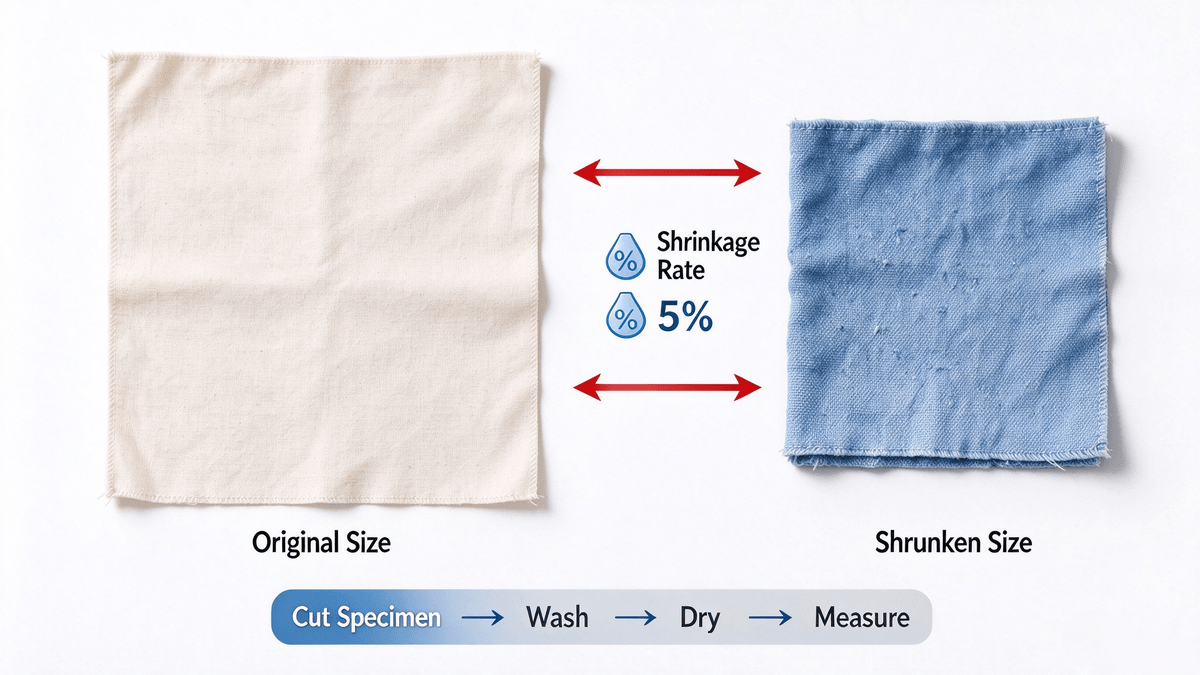
(4) No written fabric shrinkage & stretch specifications in the tech pack
Verbal agreements on shrinkage always fail. Factories skip pre-wash fabric treatment to save cost, leading to 6%–10% shrinkage after first wash.✅ Fix: Write shrinkage ≤3% and stretch recovery ≥90% directly into your technical sheet, with third-party test proof.
(5) Ignoring seamless technical limitations
Buyers request complex multi-layer thick structure, heavy embroidery or complicated cutwork on seamless garments. Santoni machines cannot achieve these designs; factories will deliver defective products or ask for extra high tooling fees.✅ Fix: Confirm design feasibility with the factory’s knitting engineer before drawing the tech pack.
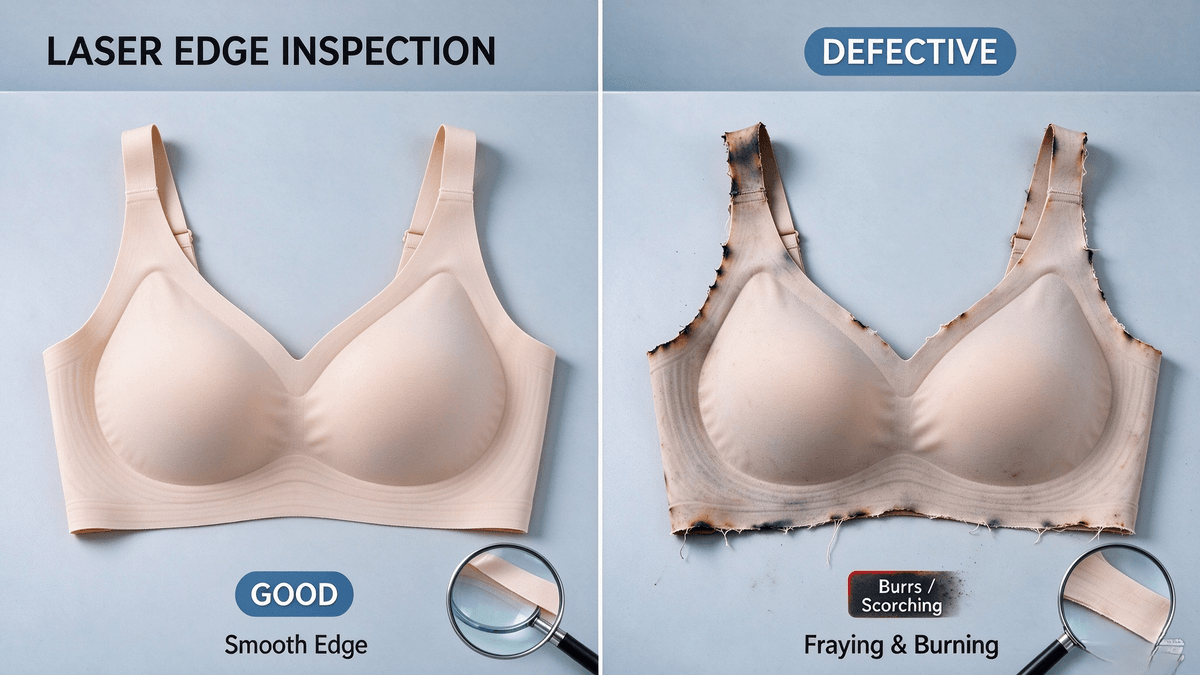
(6) Laser-cut edge fraying & bonding failure
Low-end factories skip the hot-bonding process after laser cutting. The raw fabric edges unravel after washing, creating high return rates.✅ Fix: Require laser edge thermal bonding; ask to see bulk edge test samples.
(7) Uncontrolled dye lot color difference (ΔE > 3)
Different yarn batches produce inconsistent colors. If the factory mixes yarn lots without unified dyeing, you will get mismatched shades across one order.✅ Fix: Lock one single yarn batch for the whole order; set color difference ΔE ≤1.5 as acceptance standard.
(8) Hidden one-time programming & pattern fees
Many factories quote low unit prices first, then add separate Santoni pattern programming fees after you place the order.✅ Fix: List all one-time development costs clearly in the quotation, no post-order extra charges.
(9) Missing EU REACH / OEKO-TEX documentation
For EU & GCC markets, products without chemical test reports will be detained at customs or forced to recall. Budget factories only provide fake certificates without lab test trails.✅ Fix: Require full lab test reports with batch numbers matching your order.
(10) No written lead time penalty clauses
Factories promise fast delivery but delay production during peak season without compensation. Brands then have to pay expensive air freight to meet retail launch dates.✅ Fix: Add delay compensation terms in the sales contract.
(11) Compression mapping design without lab testing (shapewear only)
Brands design tummy control shapewear without pressure zone testing. Uneven tightness leads to high consumer returns.✅ Fix: Work with the factory’s engineer to build gradient pressure zones, and run 50-cycle wash fatigue testing.
(12) Lack of post-bulk inspection before shipment
Relying only on self-inspection by the factory often results in undetected defects.✅ Fix: Arrange third-party inspection (AQL 2.5) before shipment, or request full QC video records.
These three case studies show that seamless underwear sourcing success depends not only on price, but on technical feasibility, transparent MOQ rules, consistent QC and full compliance documentation.
If you are developing a private label seamless underwear line and need:
- Free fabric swatch kit with stretch & shrinkage test data
- A fully editable seamless tech pack template
- A virtual factory tour of our Santoni knitting workshop
Please send your design sketch or tech pack, and we will prepare a detailed sampling timeline and quotation for you.