
Many brands treat bra cups as a trivial detail, yet cup selection shapes silhouette, customer expectation, return rate and your SKU architecture. We compare molded cup, thin fixed cup, non-cup and removable insert cup for seamless underwear lines, to help you build a balanced assortment.
When building a seamless bra and bralette collection, fabric, colour and sizing often take centre stage. But cup construction is one of the most consequential decisions for your brand portfolio. The four mainstream options — molded cup, thin fixed cup, non-cup and removable insert cup — serve different buyer personas, price tiers, wear scenarios and supply chain setups.
There is no universal “best” design. The right choice depends on your brand positioning: whether you target everyday basic shoppers, activewear users, loungewear audiences, inclusive-size communities or premium comfort segments. Below we unpack each cup solution, its strengths, limitations, ideal use cases and sourcing considerations for your product planning.
1. Molded Cup
Molded cups are thermoformed, single-piece foam cups that hold a consistent pre-shaped silhouette, usually sewn or bonded into the seamless shell. They deliver a smooth, rounded, uniform outline under close-fitting outerwear, without showing nipple outlines.
★Strengths
- Consistent shape across sizes; great for T-shirt bras, office everyday basics and light shaping lines
- Low visibility under tight tops, dresses and uniforms
- Predictable consumer expectation: reliable coverage and gentle lift
- Stable quality when mould tooling is well-calibrated; lower risk of uneven shaping if produced correctly
♠Trade-offs
- Higher mould development cost and tooling investment for new shapes
- Bulkier than thin or non-cup styles; less appealing for ultra-breathable summer lines
- Foam material adds weight; longer drying time after washing
- Less flexible for consumers who prefer a natural, unstructured look
Best fit in your line: Core staple SKUs, mid-range everyday collections, private label basics, school uniform innerwear and lines targeting shoppers who prioritise invisible coverage.
Sourcing note: Confirm foam density, odour treatment and Oeko‑Tex / REACH compliance at tech pack stage; different foam grades create big gaps in hand feel and price.
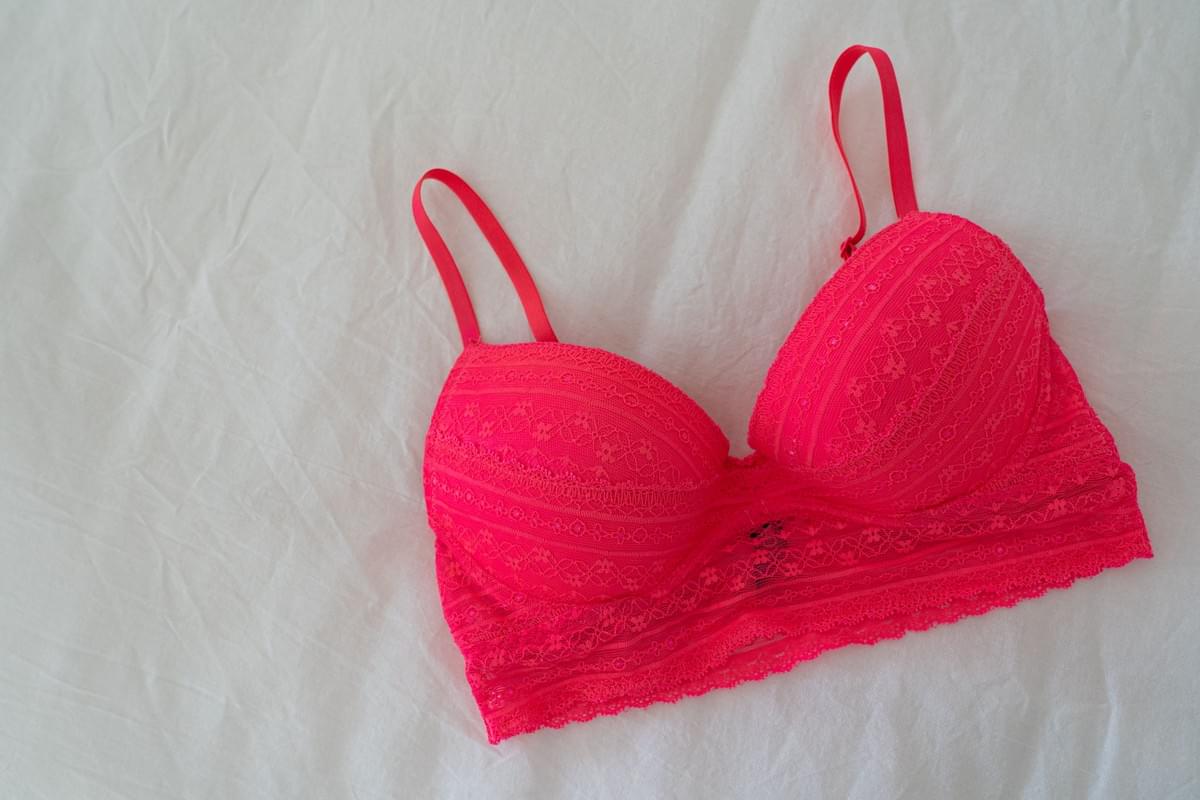
2. Thin Fixed Cup
Thin fixed cups are lightweight, low-volume padded liners, permanently attached to the seamless body. They offer modest coverage without heavy shaping. Unlike molded contour cups, they do not hold a rigid 3D form.
★Strengths
- Balances coverage and breathability; lighter and cooler than molded cups
- Natural silhouette, not overly rounded
- Less risk of pad shifting compared to removable pockets
- Works well for nude lines, maternity wear, teen first bra ranges and warm‑climate collections
♠Trade-offs
- No option for the wearer to remove padding
- Limited lift and shaping function; not suitable for customers looking for push-up effects
- Fixed thin liners can crease or deform after repeated washes if bonding is poor
Best fit in your line: Comfort-focused everyday collections, maternity lines, teen intimate apparel, plus-size gentle-support lines and summer core assortments.
Sourcing note: Clarify AQL standards for bonding failure and wash test requirements in your QC checklist.
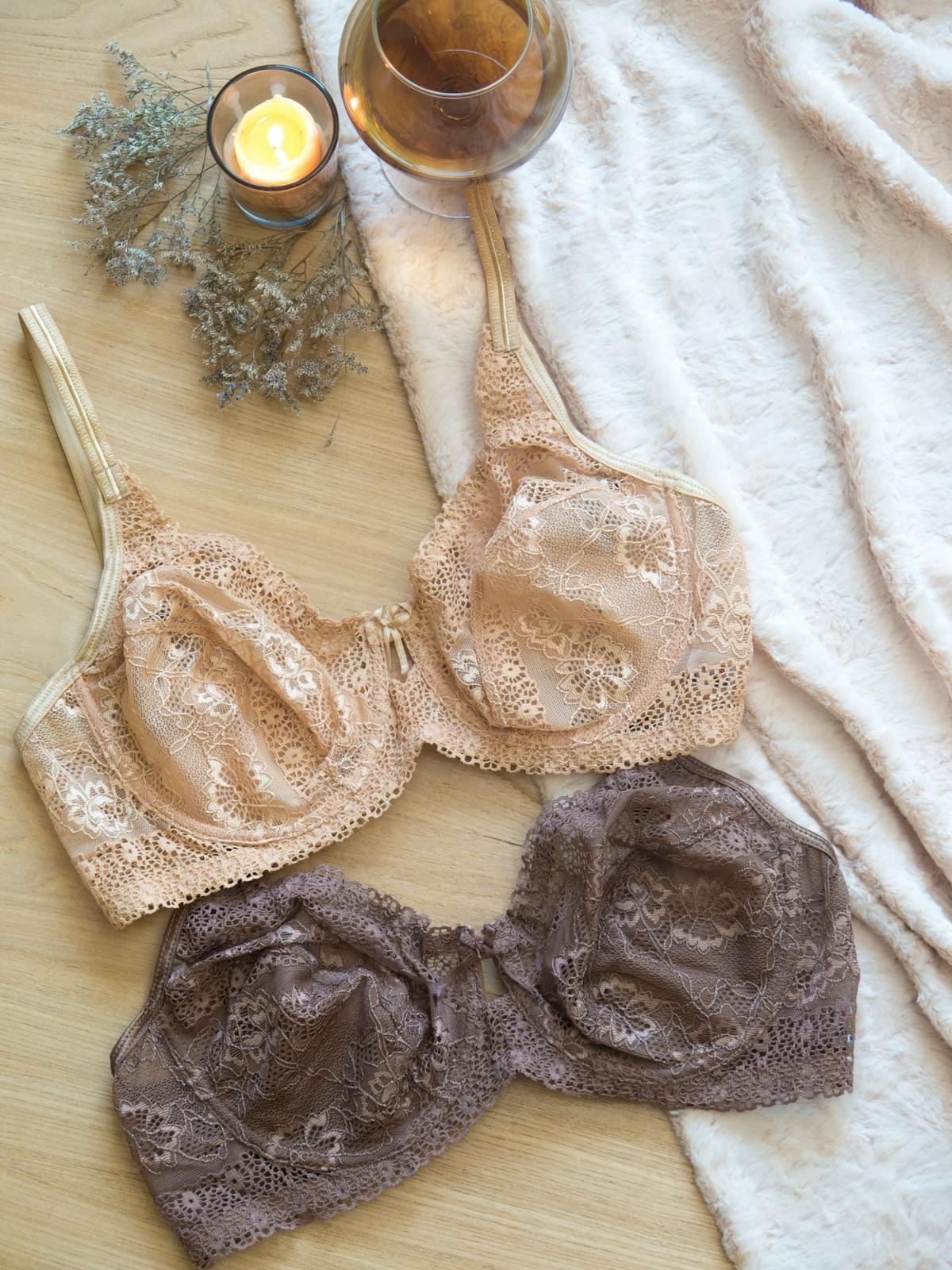
3. Non-Cup / Unlined Bralette
Non-cup styles mean no foam or fabric liner inside the seamless shell. The knit structure itself provides light compression coverage only. This is the most minimalist option in the portfolio.
★Strengths
- Ultra-lightweight, maximum air flow; perfect for sleepwear, loungewear and hot weather
- Lowest material cost among the four options, friendly for entry-price-point SKUs
- Clean, natural aesthetic, aligned with “natural body” and comfort-first consumer trends
- Simple construction, fewer failure points and simpler sampling
♠Trade-offs
- Minimal coverage; not suitable for buyers expecting opacity
- Very limited support for fuller busts; mainly for small-to-medium busts
- Higher return risk if your marketing overpromises coverage
Best fit in your line: Loungewear, sleep bralettes, vacation lines, Gen Z comfort-focused DTC ranges and value entry SKUs to lower the barrier for new customers.
Sourcing note: Be transparent in product briefs and marketing copy about limited coverage; this is the most important way to control return rates.

4. Removable Insert Cup
Removable cup designs build an internal fabric pocket inside the seamless bra; separate pads can be inserted, taken out or swapped. It is the most versatile configuration on the market today.
★Strengths
- Consumer-led customization: wear with padding for coverage, or remove pads for a natural feel
- Pads can be taken out before washing, reducing deformation
- Supports asymmetry wearers, post-surgery customers and maternity users who need specialised inserts
- Great for multi-scenario positioning: one SKU can serve everyday, casual and low-impact sport use
- Upsell opportunity: sell replacement pads as add-on accessories
♠Trade-offs
- The pocket opening becomes a known defect hotspot: pads may shift, fold or twist if pocket geometry is not engineered properly
- More complex assembly, slightly higher labour cost vs non-cup
- Higher complaint risk if fit testing is skipped during development
Best fit in your line: Versatile hero SKUs, seamless sport bras, multi-purpose DTC bestsellers, inclusive lines and premium collections where customization is a selling point.
Sourcing note: Work with your factory to test pocket tension and pad retention during wash cycles; specify pad thickness options in your tech pack.

5.How to Build a Balanced Portfolio
- Hero versatile SKU: Removable cup (broad appeal, higher perceived value)
- Core steady seller: Thin fixed cup (safe mid-volume staple)
- T-shirt & workwear line: Molded cup
- Entry / loungewear / sleep extension: Non-cup
If you run a small-batch DTC brand starting out, begin with removable cup + non-cup to test market preference without heavy mould investment. If you supply large retailers and private label programs, molded and thin fixed cups will form your high-volume stable range.

In conclusion:
Cup selection directly affects your tech pack requirements, sampling rounds, testing scope, MOQ, unit cost and return profile. When you share your brief with your seamless manufacturer, define not only “molded / thin / non / removable” but also: opacity target, wash cycle requirement, foam specification, pocket construction and acceptable failure tolerance.
Matching the right cup solution to the right customer segment reduces iteration waste and helps you build a cohesive assortment that tells a clear brand story.