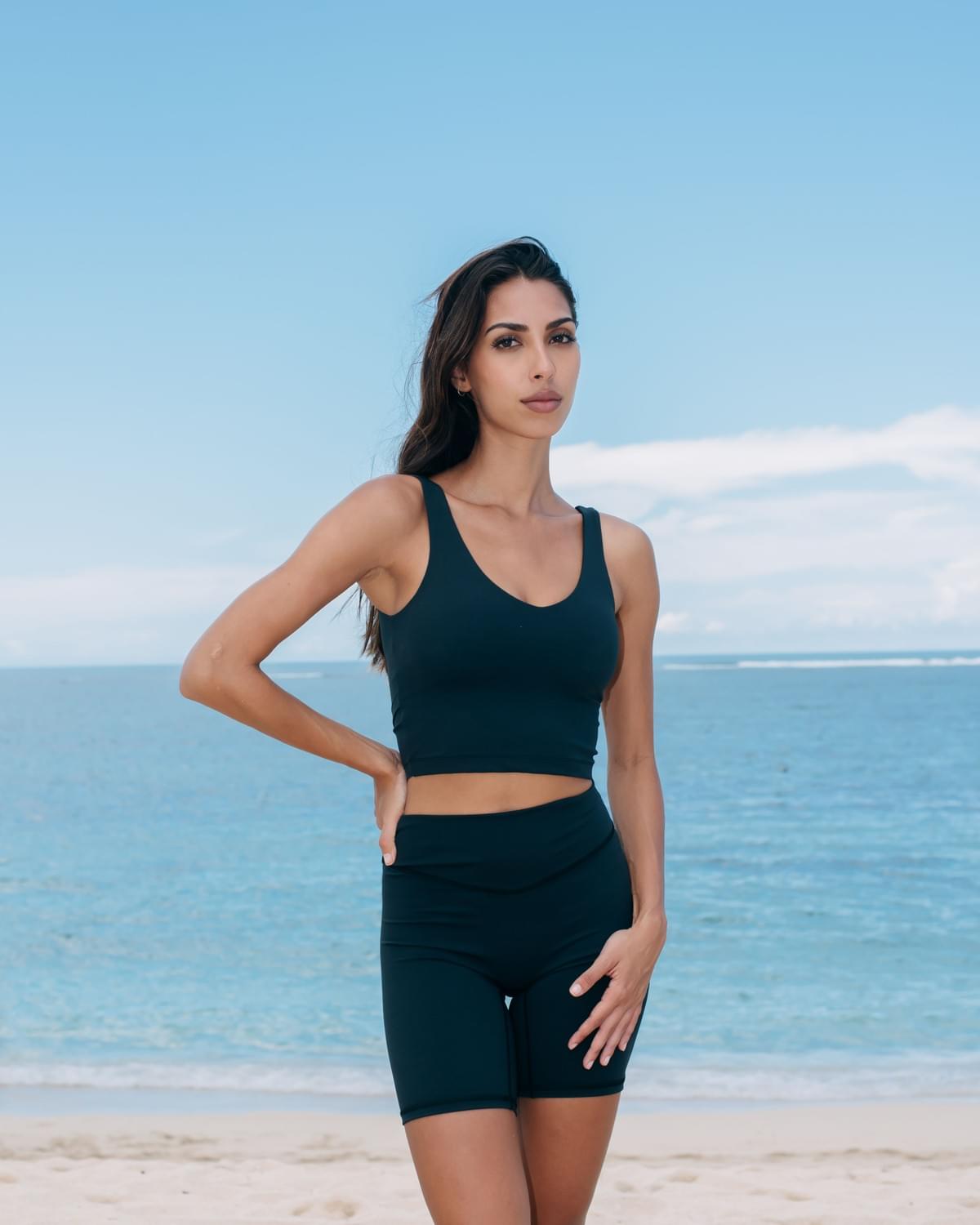
When you build a lingerie, activewear or loungewear line, one of the most critical early decisions is choosing between seamless lingerie and traditional cut & sew (cut-and-sew) lingerie. The two construction methods create vastly different products, and they diverge sharply on development investment, minimum order quantities, production timelines, and which brand positioning they serve best.
Many new buyers only compare handfeel and appearance, ignoring downstream sourcing risks. This guide breaks down practical sourcing metrics side by side, to help you pick the right technique for your collection, budget and customer expectations.
一、Development Cost
Seamless Lingerie
Seamless garments are knitted as a whole tube on circular knitting machines. Patterns, jacquard, ribbing, compression zones and cup shaping are programmed directly into the machine before production.
- High upfront development cost: new gauge setup, pattern programming, jacquard colour mapping, sample knitting, machine test runs.
- Each unique silhouette, density map or jacquard motif counts as a new development. Minor shape tweaks often require re-programming.
- Sample rework cycles can add extra charges, especially for custom compression grading or branded jacquard.
Cut & Sew Lingerie
Cut & sew starts with flat fabric rolls, which are cut into individual pattern pieces then stitched together.
- Lower initial development cost. You only need pattern grading, marker making, fabric swatch approval and sewing sample construction.
- It is far cheaper to adjust cup size, strap width, back band shape or add trims, elastic, lace and hardware.
- You can test multiple fabric options on the same base pattern without heavy retooling.
二、MOQ (Minimum Order Quantity)
Seamless Lingerie
Circular seamless machines are not flexible for tiny batches. Once a machine is programmed, it is inefficient to switch frequently.
- Higher MOQ per style/colourway is standard.
- Factories usually set MOQ by machine run, not just per piece. Small trial orders push up unit cost dramatically.
- Best when you plan stable SKUs, repeat reorders and core bestseller styles.
Cut & Sew Lingerie
Cut & sew production is modular. Cut rooms and sewing lines can split orders easily across many styles and colours.
- Much lower MOQ for new brand trials, capsule collections, seasonal limited drops.
- Many manufacturers accept small test runs for pre-sales, influencer lines or small DTC brands.
- You can launch more SKUs with less inventory risk.
三、Lead Time
Seamless Lingerie
Lead time is split into programming + machine sampling + bulk knitting + finishing (dyeing, washing, packing).
- Pre-production sampling phase is longer due to machine programming and test knitting.
- Bulk production can be efficient once the program is locked; repeated reorders are faster.
- Risk of delays if colour dyeing, shrinkage or compression performance fails lab testing.
Cut & Sew Lingerie
Fabric sourcing and cutting are straightforward once patterns are signed off.
- Faster sampling turnaround for quick revisions.
- Bulk lead time depends mainly on fabric availability and sewing line capacity.
- If you keep stock of base fabrics, you can hit very fast turnaround for urgent orders.
四、Product Performance & Brand Scenarios
Seamless Lingerie
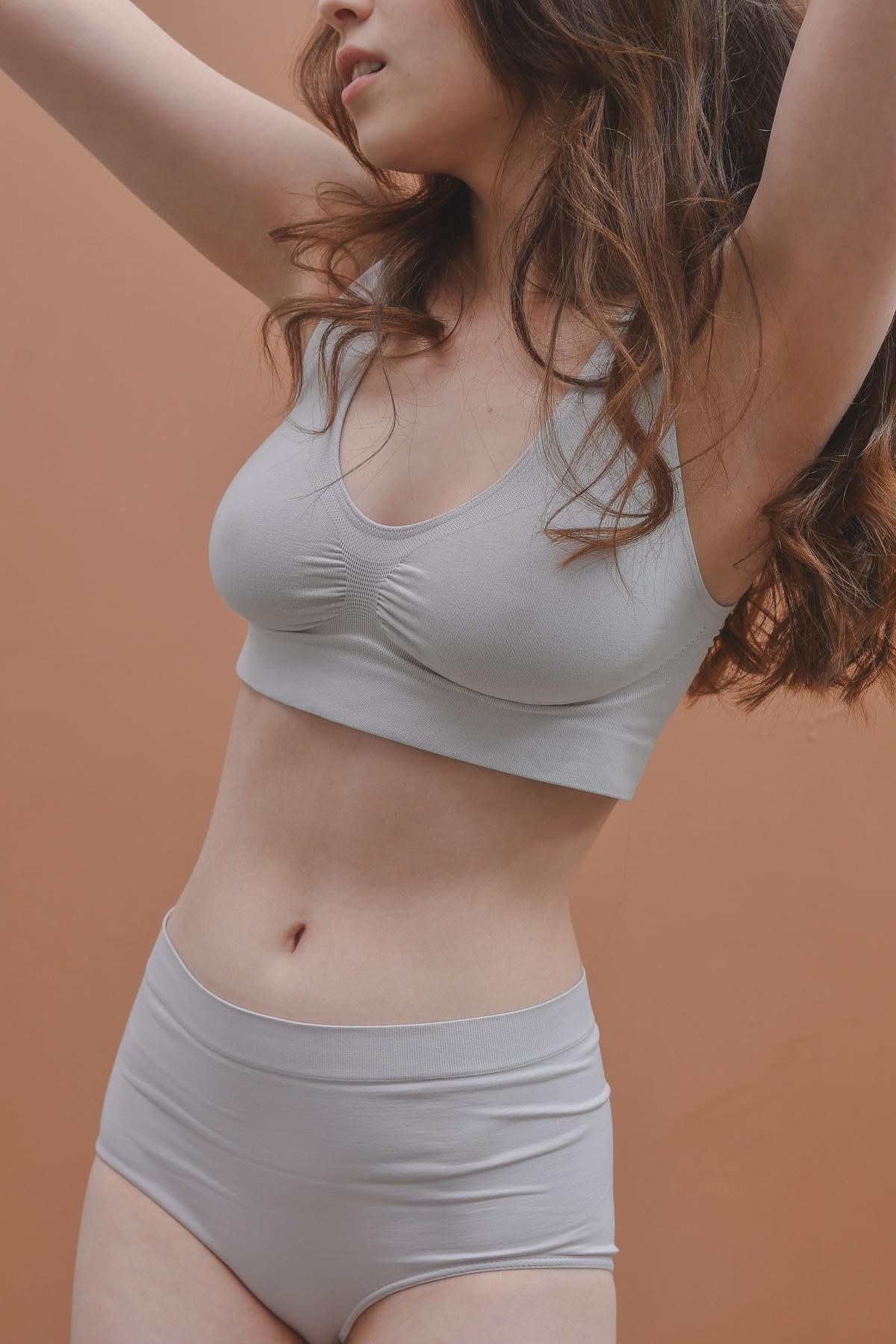
Key strengths: zero raw seams, smooth second-skin feel, targeted compression, stretch recovery, invisible under clothing.
Limitations: Less flexibility for complex lace, multi-layer construction, custom hardware, ultra-intricate decorative details. Design changes are costly.
Best suited for:
- Athleisure, yoga wear, high-support active underwear
- Shapewear, light compression briefs and tanks
- Minimalist, no-show everyday lingerie
- Premium comfort-focused brands selling core staple styles
- Large retailers with consistent replenishment plans
Cut & Sew Lingerie
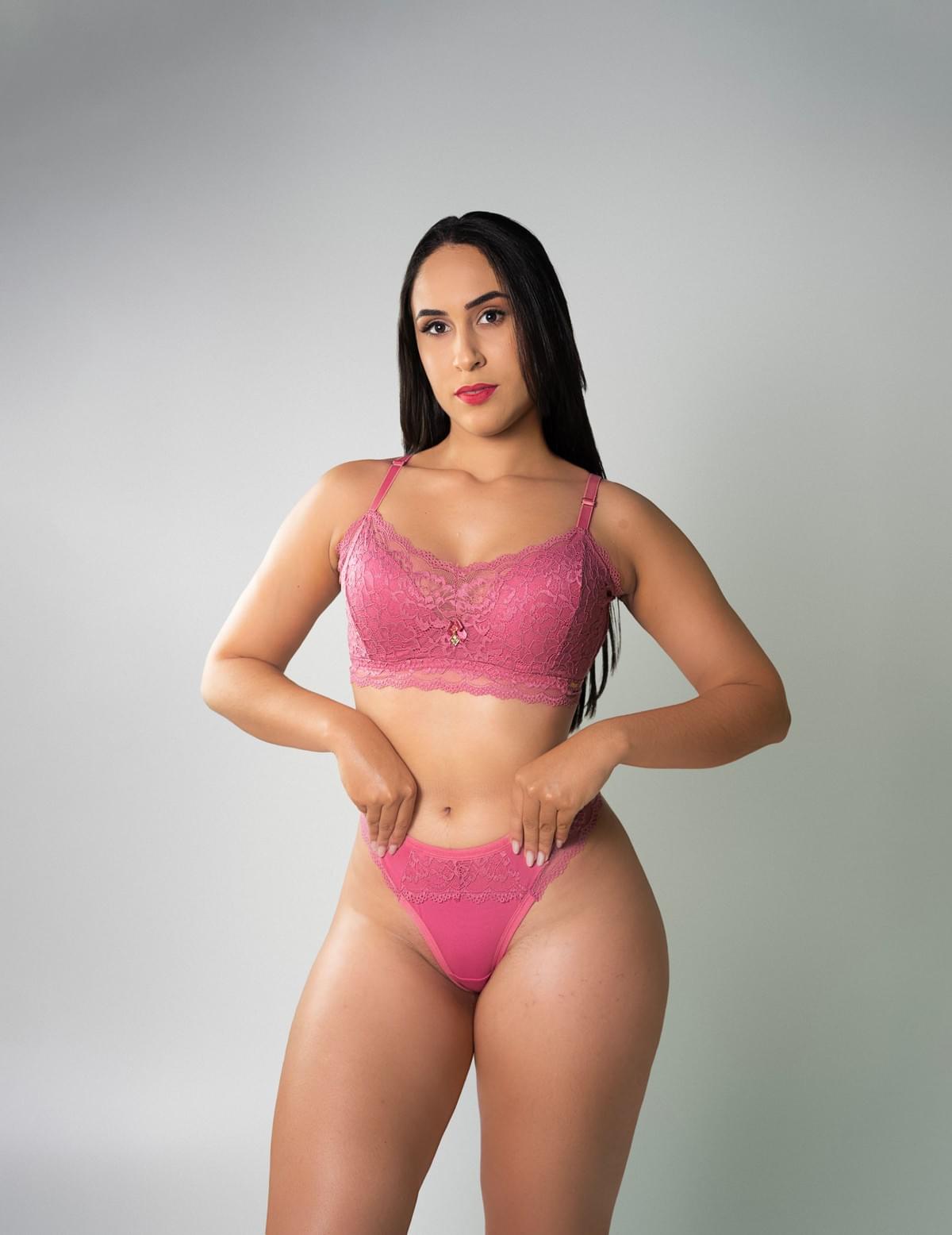
Key strengths: unlimited design flexibility, mix of lace, mesh, satin, elastic, straps, hooks, moulded cups, embroidery.
Limitations: Visible seams may show under tight clothes; skilled sewing is required to avoid scratchy, uncomfortable stitching.
Best suited for:
- Bridal lingerie, luxury lace sets, fashion-forward seasonal collections
- Multi-cup sizing, moulded push-up, contour bras
- Limited-edition drops, trend-driven designs
- Small boutique brands, designer labels, private label capsule lines
- Products needing layered construction, special trims and decorative details

Advice
Do not choose seamless just because it is trendy. Choose seamless when your product promise is comfort, invisible wear and compression, and you can commit to stable order volumes.
Choose cut & sew when your differentiation comes from fashion details, lace, moulded cups, frequent new styles and small-batch testing. Many brands run both lines: seamless for core best-selling basics, cut & sew for seasonal fashion capsules.
If you are still unsure, share your target price point, order volume and design direction with your manufacturer first. A good factory can advise which construction helps you hit margin, delivery and customer experience targets.