
一、Origin of the Catchphrase: Referring Exclusively to Chaonan, Shantou’s Industrial Cluster
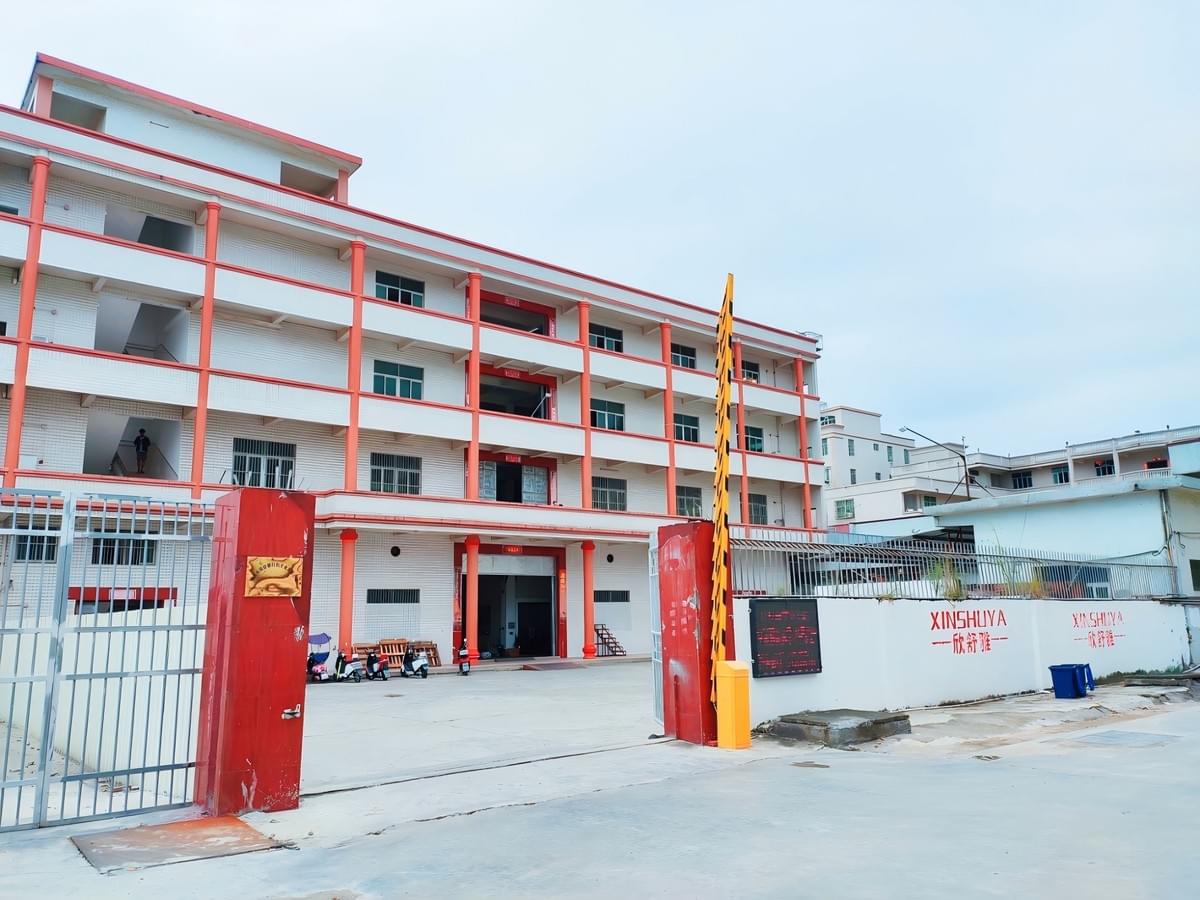
The claim that “one out of every three pieces of lingerie globally originates here” does not apply to China as a whole; it is an industry slogan specific to the Chaonan District of Shantou, Guangdong Province (encompassing towns including Gurao, Chendian and Xiashan), backed by solid production capacity data:
1.Production Scale
Chaonan District boasts an annual output of over 3.7 billion bras, panties and loungewear, accounting for nearly 50% of China’s total lingerie output. The region hosts more than 2,000 upstream and downstream manufacturers forming a one-stop supply chain covering spinning, lace spandex, underwire, printing and dyeing, and garment assembly. Full sets of auxiliary materials can be sourced within 24 hours, forming the world’s most integrated lingerie industrial cluster.
2.Global Market Share Rationale
In terms of global lingerie trade volume, China’s overall lingerie exports capture 31% to 38% of the global market (data from China Customs and the China National Textile and Apparel Council, 2024–2025), equivalent to roughly one-third of global supply. As the core domestic supplier of exported lingerie, nearly half of China’s lingerie shipments stem from Chaonan, Shantou—hence the industry-wide summary that “one in three lingerie pieces worldwide comes from Chaonan, Shantou.”
3.Key Distinctions
- China’s total lingerie manufacturing capacity exceeds 60% of global output, yet a large portion serves the domestic consumer market;
- China accounts for approximately one-third of global lingerie export trade, aligning perfectly with the tagline “one in three lingerie pieces worldwide is made in China (Shantou).”
二、The Full Development Timeline of China’s Lingerie Global Expansion
Phase 1: OEM Original Equipment Manufacturing Roots (1980–2015) – The World’s Lingerie Foundry
Following China’s reform and opening-up, industrial zones including Yanbu in Foshan and Chaonan in Shantou first accepted Hong Kong’s processing trade orders under the “Three Forms of Processing and One Compensation” model, exclusively producing OEM/ODM (Original Design Manufacturing) goods for international premium labels such as Victoria’s Secret, H&M and ZARA:
- Core strengths: End-to-end supply chain, agile quick-response production, cost competitiveness; capable of fulfilling mass orders of millions of pieces and small-batch pilot orders of thousands of units alike.
- Core drawbacks: Manufacturers only earned processing margins, accounting for merely 10%–20% of the final retail price; brands lacked global discourse power and low value-added margins.
Phase 2: Cross-Border E-Commerce Breakthrough (2016–2022) – Direct China-to-Global Consumer Distribution
Cross-border platforms including Alibaba International, Amazon, SHEIN and independent brand stores eliminated intermediate distributors, enabling manufacturers to directly engage overseas buyers and end consumers:
- Industrial Cluster DividendsFactories in Shantou, Puning, Yiwu and Yanbu rapidly settled on cross-border channels. Seamless intimates, performance activewear, plus-size shapewear and organic cotton sustainable loungewear became top-selling overseas categories. SHEIN alone sources hundreds of thousands of lingerie units monthly from Chaoshan manufacturers for distribution across Europe, the Americas, Latin America and Southeast Asia.
- Expanded Market CoverageExport markets expanded beyond traditional European and North American territories to RCEP member states, the Middle East, Latin America and Africa, with emerging markets maintaining double-digit annual growth rates. China’s total lingerie export volume reached nearly USD 18 billion in 2024.
Phase 3: Independent Brand Globalization (2023–Present) – Transition from Manufacturing to Brand Export
Domestic Chinese lingerie brands launched DTC (Direct-to-Consumer) global expansion via two parallel mainstream strategies:
- Wire-free comfort segment: Domestic labels NEIWAI and Ubras established offline retail outlets and overseas independent sites across Europe and North America, positioning minimalist design, inclusive plus-size sizing and sustainable fabric formulations as core selling points.
- Functional shapewear & performance intimates: Source factories in Chaoshan developed proprietary white-label brands for overseas markets, tailored to Western demand for fitness, party and daily casual wear scenarios.
- Industrial Upgrading: Manufacturers scaled R&D of recycled RPET fiber, bamboo viscose and seamless soft-support technology, acquired international OEKO-TEX environmental certifications to access mid-to-high-end supermarket channels in Europe and North America, driving steady growth in average export unit prices.
三、Core Competitive Advantages Underpinning China’s Global Lingerie Dominance
a.)Globally Unmatched End-to-End Industrial Supporting Chain
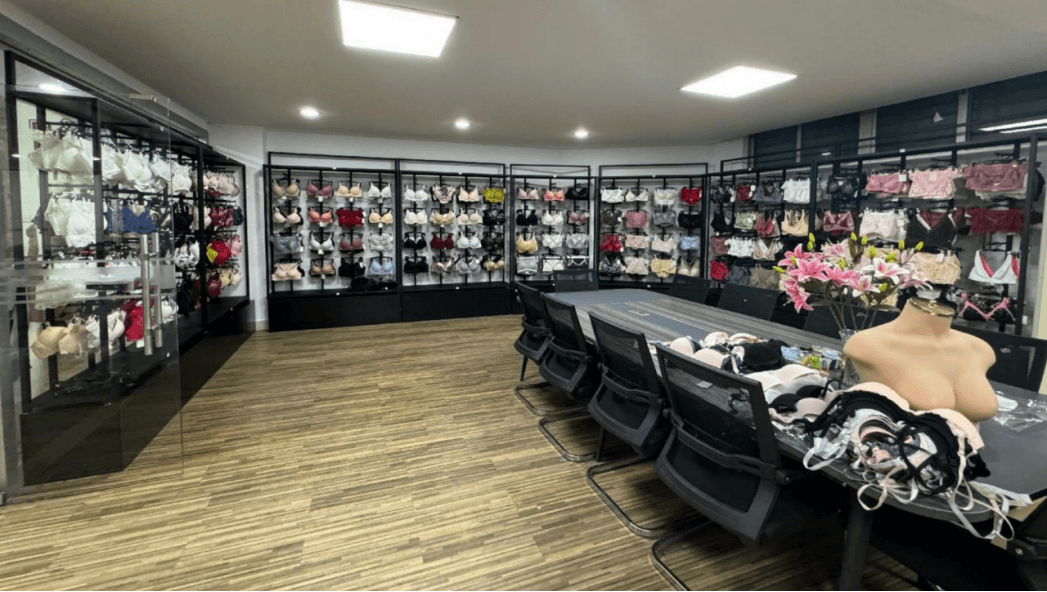
All upstream links including chemical fiber, spandex, lace trims, elastic bands, printing and dyeing, molded cups and metal accessories, alongside downstream garment assembly, packaging and logistics, are concentrated within a 30-minute radius of Chaonan, Shantou. Sample development takes 7 days and mass production delivery 15 days—a lead in operational efficiency unmatched by Southeast Asian manufacturing hubs.
b.)Dual Capacity for Mass Production & Agile Small-Batch Manufacturing
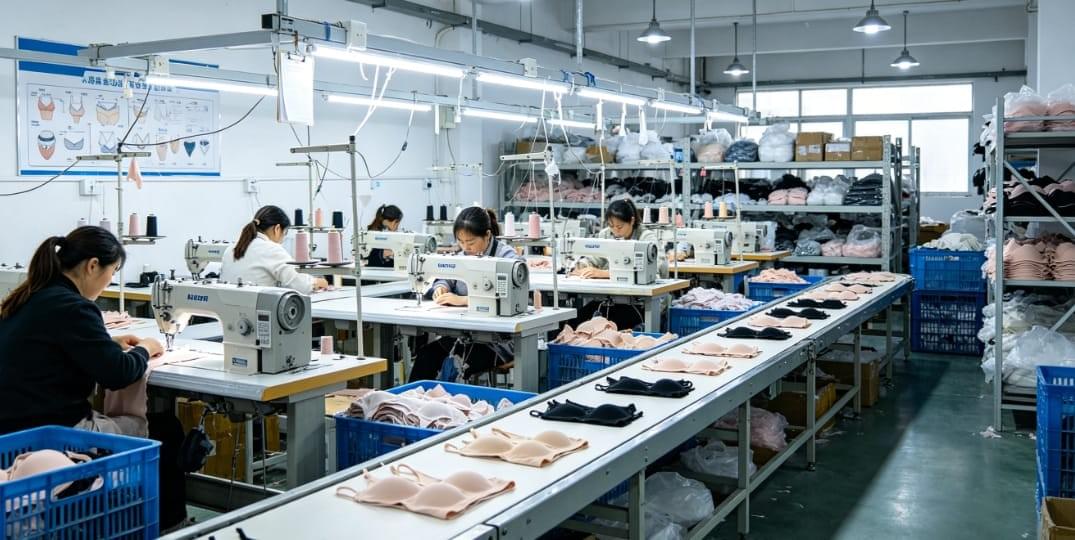
Large-scale automated factories cater to bulk orders from international brands, while numerous small and medium-sized manufacturers deliver quick-turn small-batch runs, matching fast-fashion iterative trends demanded by global cross-border e-commerce.
c.)Balanced Cost & Technical Superiority
Mature domestic technology for functional textiles, seamless molding and 3D bra cups delivers substantial price advantages versus Western local manufacturers. Widely deployed digital workshops featuring 5G intelligent cutting and automated sewing reduce human error and stabilize product quality standards.
四、Current Challenges Facing Lingerie Export Expansion
a.)Diversion of Production Capacity
Lower labor costs in Vietnam, Bangladesh and Indonesia attract low-end lingerie processing orders, triggering continuous outflow of entry-level OEM contracts.
b.)Low Value Chain Positioning
Pure OEM manufacturing yields thin profit margins, with the industry average value-added rate standing at only 18%, far below the 40%+ premium captured by Western proprietary brands.
c.)Trade Compliance & Regulatory Barriers
Carbon border adjustment mechanisms, stringent Western textile environmental standards and tariff barriers raise export operating costs. Intellectual property infringement risks and discrepancies in regional sizing standards further increase operational complexity.
d.)Limited Global Brand Recognition
Most overseas consumers still associate Chinese lingerie exclusively with low-cost contract manufacturing; domestic premium intimates brands require long-term cultivation to build global brand awareness.
五、Future Transformation Directions for Overseas Expansion
a)Product Upgrading
Scale development of sustainable eco-textiles, performance functional intimates and inclusive plus-size apparel to lift single-unit product premium margins.
b)Business Model Optimization
Shift pure OEM contract manufacturing to a dual-track model integrating ODM design services and proprietary DTC global brands.
c)Channel Diversification
Deploy overseas warehousing networks, offline multi-brand retail collections and localized social media influencer marketing strategies.
d)Industrial Collaborative Development
Deepen partnerships between leading domestic manufacturers and overseas local designers and retailers to build a globally coordinated supply chain ecosystem.
Therefore,the tagline “one in three lingerie pieces worldwide originates here” accurately encapsulates Chaonan, Shantou’s status as China’s core export-focused lingerie industrial cluster. Supported by a complete integrated supply chain, China captures roughly one-third of global lingerie export trade.
After three decades of establishing global market presence via contract manufacturing, the domestic industry is undergoing a strategic shift from being the “world’s lingerie manufacturing hub” to exporting integrated brand assets, proprietary technologies and original design capabilities, completing the full industrial upgrade from manufacturing output to comprehensive global brand operation.